

Hire the Best Motion Graphics Designers
Work with the world's best motion graphics designers. Explore our curated marketplace of top-rated freelance talent trusted by global brands.
Find your Motion Graphics Designer on Dribbble


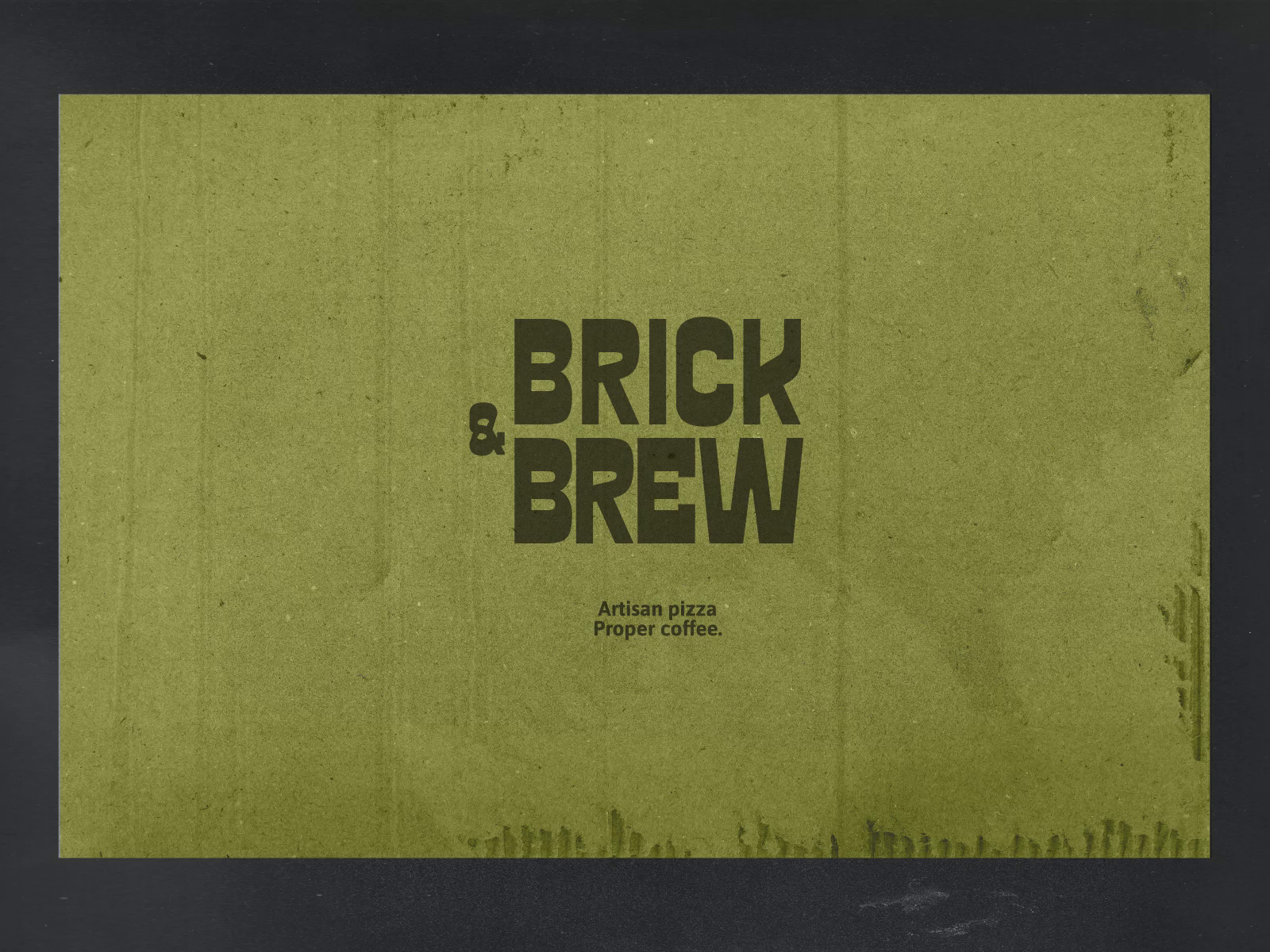

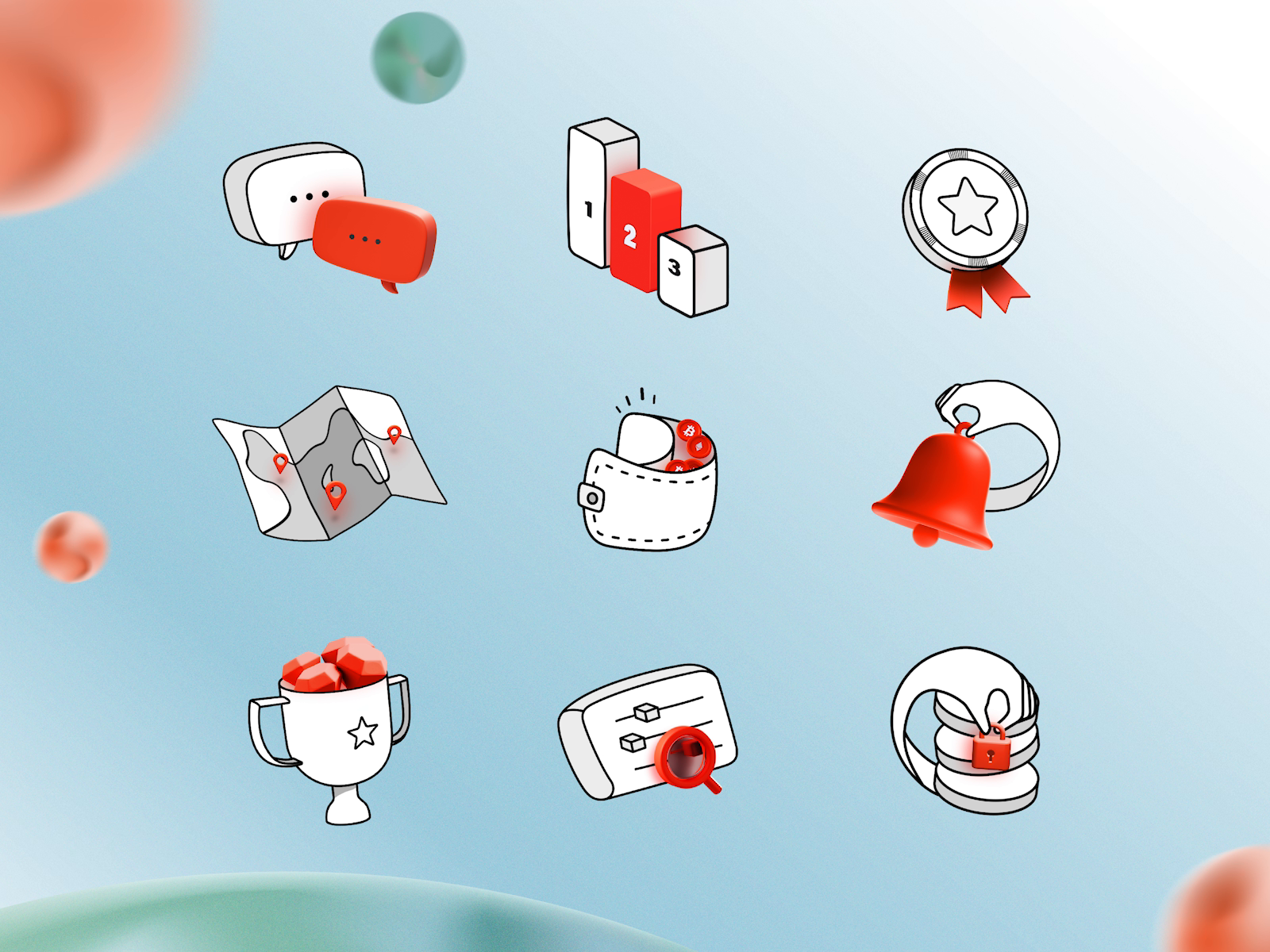

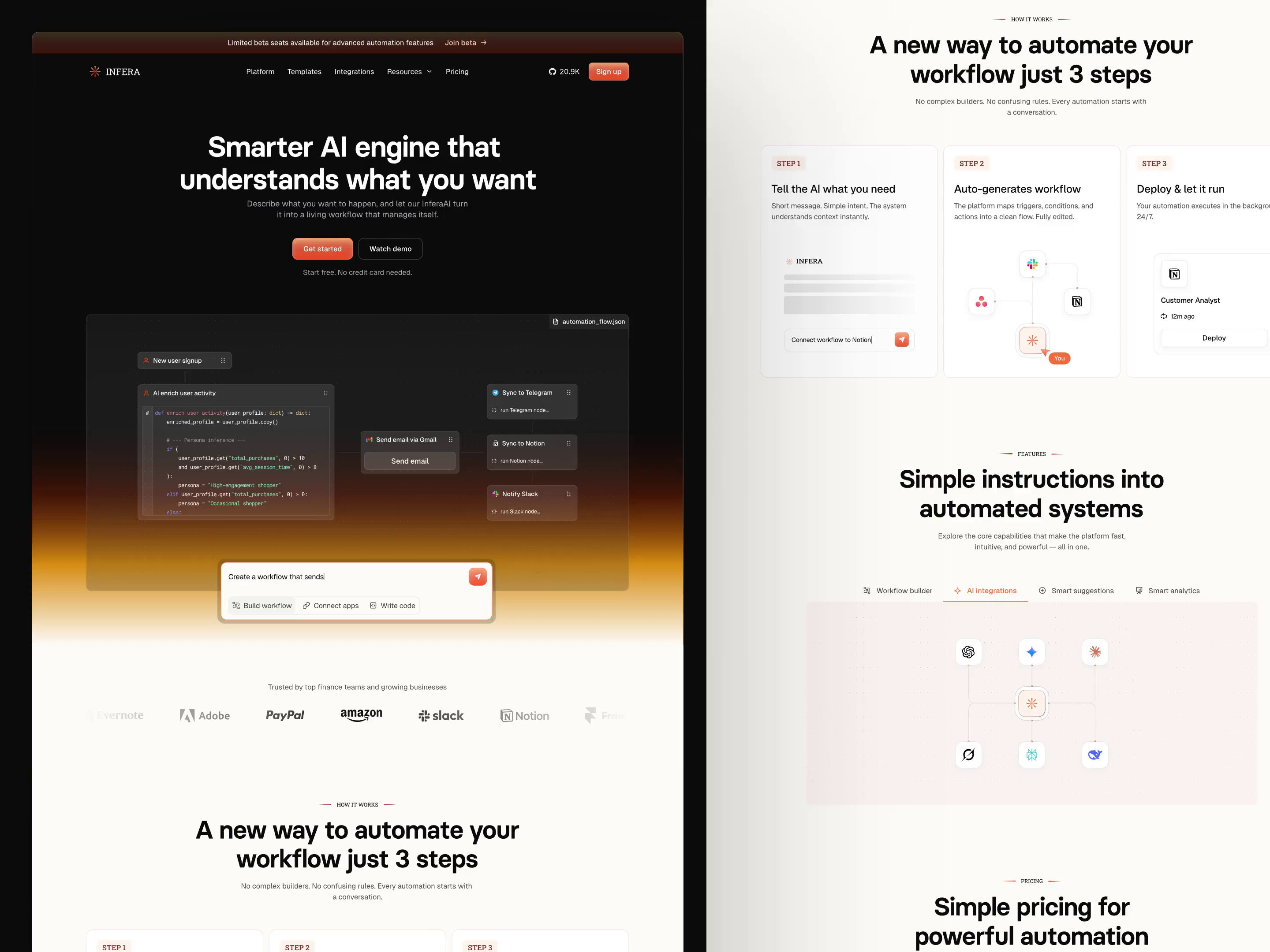








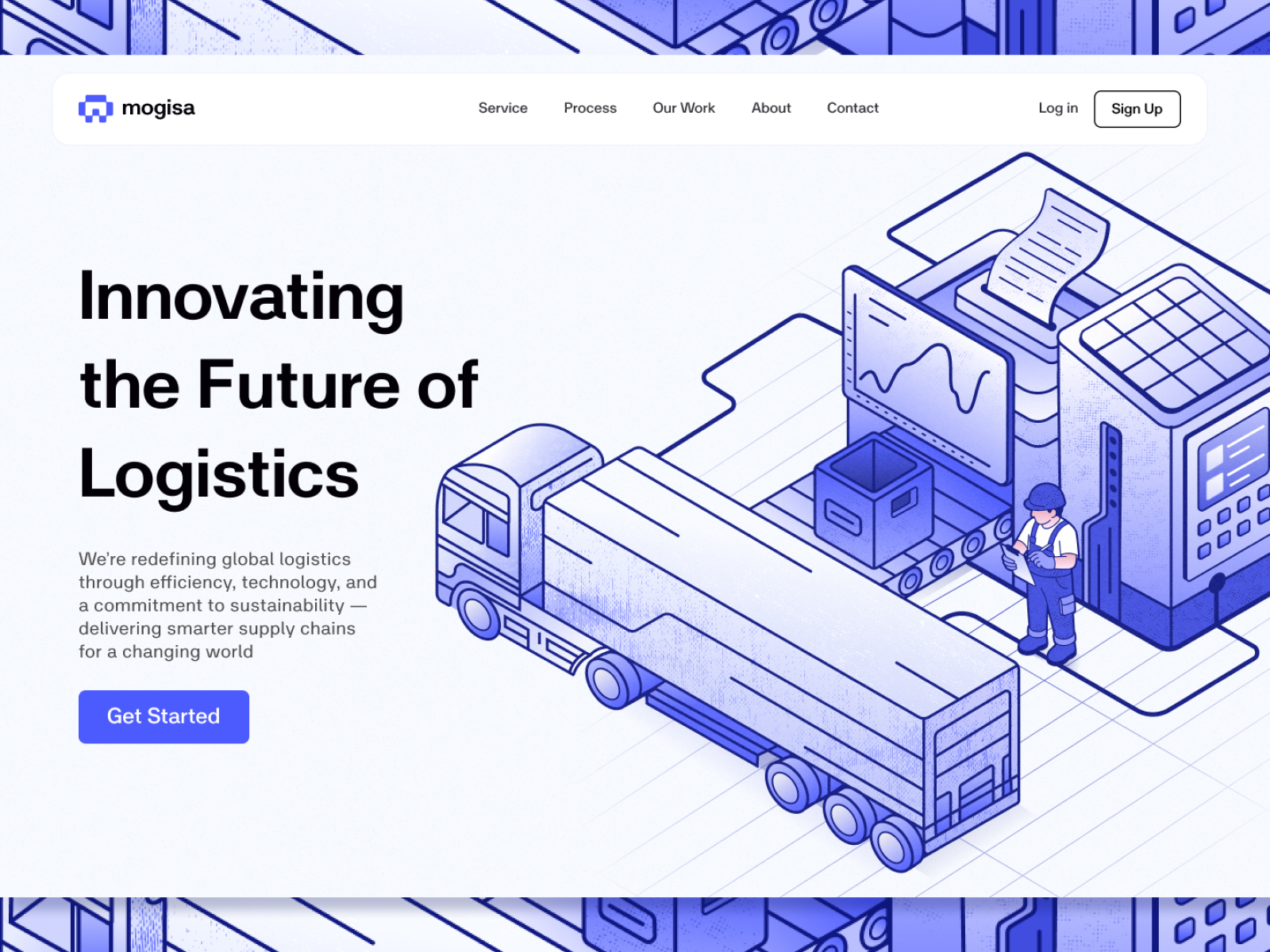






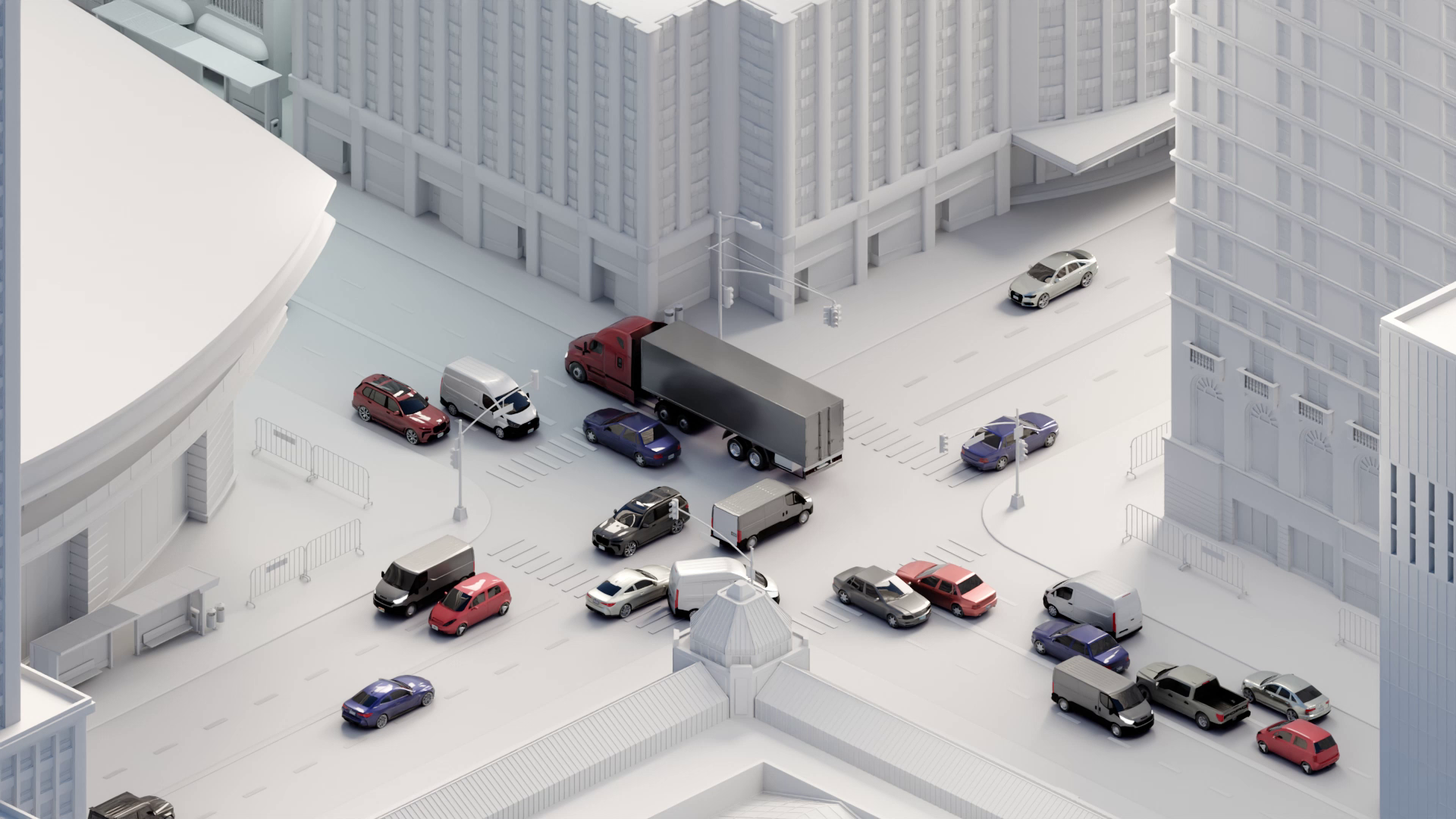






Discover more Freelance Motion Graphics Designers on Dribbble






 Art by Karen Novelo
The Dribbble Standard
Dribbble is the creative marketplace where businesses discover, hire, and pay leading designers and agencies with community-validated portfolios since 2009. Clients, from startup founders to global brands, trust our human-first ecosystem for finding designers.
What sets Dribbble apart:
- Strong community of design experts ready for hire
- Verified experience and skill sets
- Direct access to motion graphics designers and agencies
Top Motion Graphics Design profiles showcase real work, giving you confidence in both craft and capability.
The Definitive Guide To Hiring Motion Graphics Designers
What Does a Motion Graphics Designer Do?
A motion graphics designer creates visual content that unfolds over time, combining animation, typography, illustration, and transitions to communicate a message clearly. Projects often begin with a script, storyboard, and animatic so pacing can be approved before final animation begins.
Common deliverables include explainer videos, logo animations, kinetic typography, social clips, product walkthroughs, lower thirds, and animated charts. A single project may also require multiple aspect ratios and shorter cutdowns for different platforms.
For apps and websites, designers may export motion as Lottie or animated SVG rather than video. Final delivery can also include captions, alternate formats, and editable project files for future updates.
Why Hire a Motion Graphics Designer?
A motion graphics designer helps explain products, processes, and ideas through movement, timing, and visual sequencing.
Motion graphics designers can help:
- Storyboard and animate an explainer video from an approved script
- Cut a single master edit into 16:9, 9:16, and 1:1 versions for different placements
- Animate a static logo into a sting for video intros and outros
- Build lower thirds, title cards, and end slates as a reusable template set
- Time kinetic typography to a voiceover or a music track
- Export UI animation as Lottie or animated SVG for developer handoff
- Add burned-in captions and safe-area layouts for silent autoplay feeds
- Produce animated charts and data builds that reveal figures in sequence
- Deliver files to a named frame rate, codec, and loudness spec for each platform
How to Hire a Motion Graphics Designer
Step 1: Define your video placements and delivery specs
Decide where each piece will play before you brief anyone, because placement sets almost everything else: duration, aspect ratio, whether sound can be relied on, and whether captions are mandatory. Confirm the final runtime, how many aspect ratio versions you need, whether a voiceover and music track will be supplied or sourced, and who approves the script.
Pro tip: Write the maximum duration into the brief as a hard number. Social placements and paid ad units cap length, and a piece that overruns has to be recut rather than trimmed.
Step 2: Review motion graphics designer portfolios
Watch the work in full length rather than judging thumbnails. Pay attention to pacing, whether text stays on screen long enough to read, how transitions carry the eye between scenes, and whether the animation is timed to the audio or simply laid over it.
Pro tip: Look for a storyboard or animatic shown next to the finished piece. It is the clearest evidence that the designer plans timing before animating rather than improvising in the timeline.
Step 3: Evaluate their process
Ask how they move from script to storyboard to animatic to final animation, and at which of those stages you sign off. Ask how they handle voiceover: whether they animate to a scratch track and re-conform to the final read, and what happens to timing when the approved script changes after animation has started.
Pro tip: Ask what a mid-project copy change costs once the animation is built. A designer who has structured the project in precomps with editable text layers will answer differently from one who has baked the text in.
Step 4: Align on the scope and timeline
Confirm the runtime, the number of aspect ratio versions and cutdowns, revision rounds and at which stage they apply, caption files or burned-in subtitles, and the exact delivery specs including frame rate, resolution, codec, and any loudness requirement. Settle who pays for stock footage, music licensing, and voiceover talent, and whether the After Effects project file with fonts and linked assets is handed over.
Pro tip: Tie revision rounds to the storyboard and animatic stages, not only to the final render. Changes are cheap before animation and expensive after it.
Cost of Hiring a Motion Graphics Designer
Freelance motion graphics designers typically charge $35 to $200 per hour, with a global average of around $64 per hour. Rates vary by experience, specialization, and project complexity.
Hourly rates by experience commonly fall into these ranges:
- Entry-level: $25–$50 per hour
- Mid-level: $50–$100 per hour
- Senior: $100–$200 per hour
Common freelance project ranges include:
- YouTube intro or outro: $100–$500
- Logo animation: $150–$800
- 15–30 second social animation: $200–$800
- Corporate or presentation animation: $500–$3,000
- App or UI animation set: $1,000–$5,000
- 60–90-second explainer video: $2,000–$8,000
Final cost depends on runtime, number of scenes, animation complexity, number of format versions, voiceover and music requirements, captions, localization, and whether editable project files are included.
Freelance Motion Graphics Designer vs Design Agency
The main difference is scope: a freelance motion graphics designer focuses on a defined animation project, while a design agency can support broader concept development, production, and campaign work.
| Factor | Freelance Motion Graphics Designer | Design Agency |
|---|---|---|
| Best for | A named set of videos, loops, or UI animations with agreed specs | Video programs that need concept, script, production, and media rollout |
| Typical scope | Storyboard, animation, sound sync, versioning, and file delivery | Creative strategy, scripting, production management, and multi-channel distribution |
| Communication | Direct access to the designer | Communication with a multidisciplinary team |
| Flexibility | Often more flexible | More structured process |
| Team | Usually one specialist | Multiple creative specialists |
| Choose when | The script or message is settled and you need it animated and delivered | Motion is one channel inside a broader campaign you need run end to end |
Featured Motion Graphics Designer Success Story
Dribbble gives motion graphics designers a platform to show how branding, interface elements, and 3D animation can come together in a single visual sequence. This featured project demonstrates a polished motion direction built around gaming and Web3-inspired visuals.
Explore: Ai make games animation by Zauri Miminoshvili
- Challenge: Create a dynamic visual sequence that combines game-inspired UI, branding, and animated elements into one cohesive presentation.
- Solution: Zauri Miminoshvili used 3D motion, rotating graphic elements, UI visuals, and logo animation to build a layered motion graphics composition.
- Result: The finished piece demonstrates a consistent motion direction that brings branding and interface elements together through animation.
Related Motion Graphics Design Resources
How To Hire A Professional Motion Graphics Designer on Dribbble
Use InstantMatch to connect with the right designer fast.
-
Step 1
Submit your Project Brief
-
Step 2
Get Matched with Vetted designers
-
Step 3
Start your project
Frequently Asked Questions on Hiring Motion Graphics Designers
For most complex projects, yes. A storyboard maps out the sequence, composition, movement, and timing before full animation begins. Some projects also use style frames to establish the visual direction first. Approving these stages early reduces expensive changes later in production.
Some do, while others focus only on the visual animation. Motion graphics projects often need animation to sync with narration, music, or sound effects, so clarify whether audio sourcing, editing, and synchronization are included in the scope.
If you expect to edit or reuse the animation later, ask whether editable project files are included. Depending on the software used, this may include After Effects, Illustrator, Photoshop, or Cinema 4D files in addition to the final rendered video. Source-file ownership and handoff should be agreed on before the project starts.
Animation becomes more time-consuming to revise once scenes, transitions, and timing have been built. Reviewing and approving the storyboard and visual style first makes it easier to change the concept, composition, or direction before those decisions affect the full animation.
Browse Motion Graphics Designer profiles on Dribbble or use InstantMatch to quickly connect with vetted motion graphics designers who fit your runtime, delivery specs, and timeline.
Have another question? Check out the Dribbble Help Center for more answers.


