

Hire the Best Typography Designers
Work with the world's best typography designers. Explore our curated marketplace of top-rated freelance talent trusted by global brands.
Find your Typography Designer on Dribbble





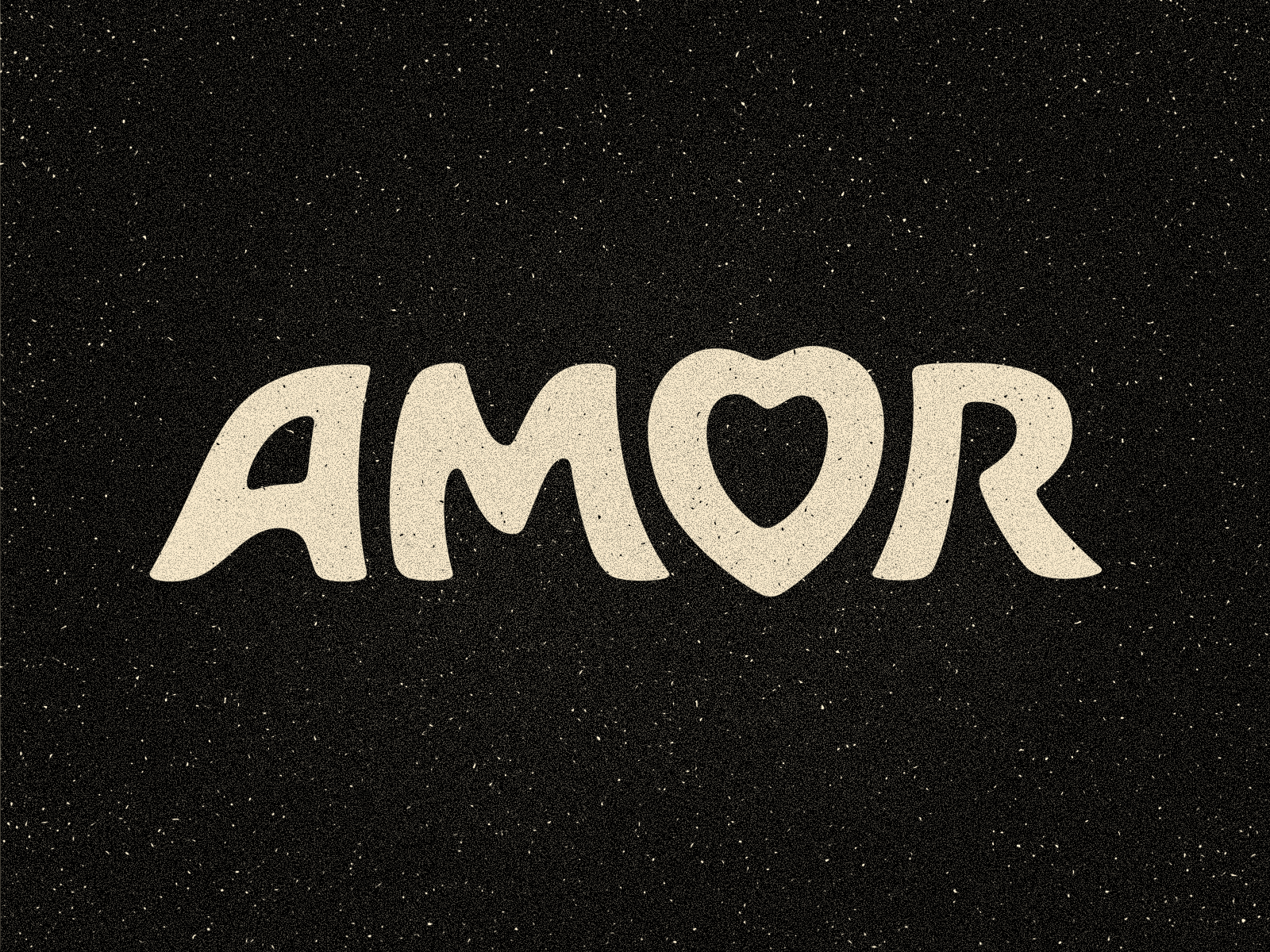

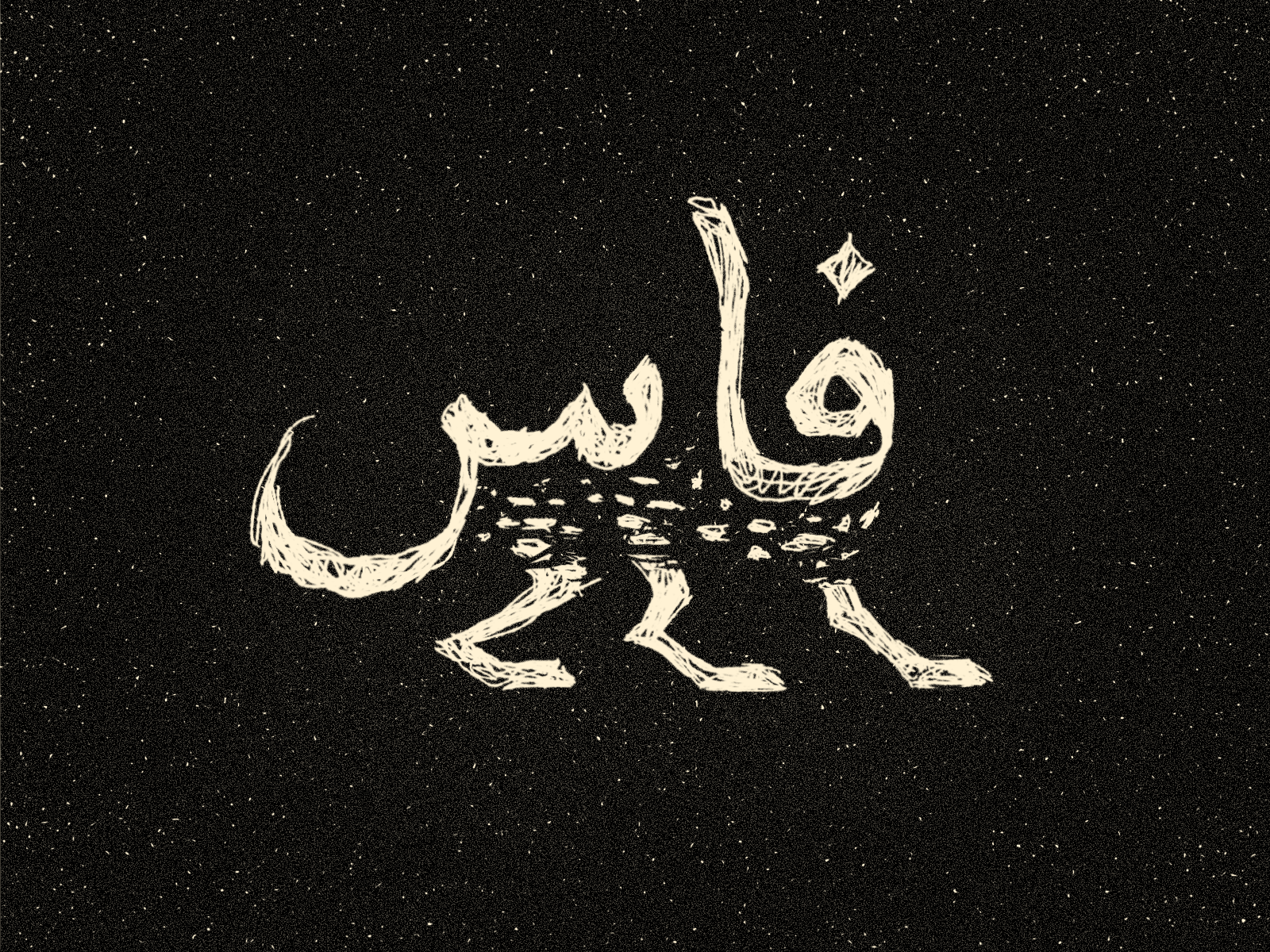














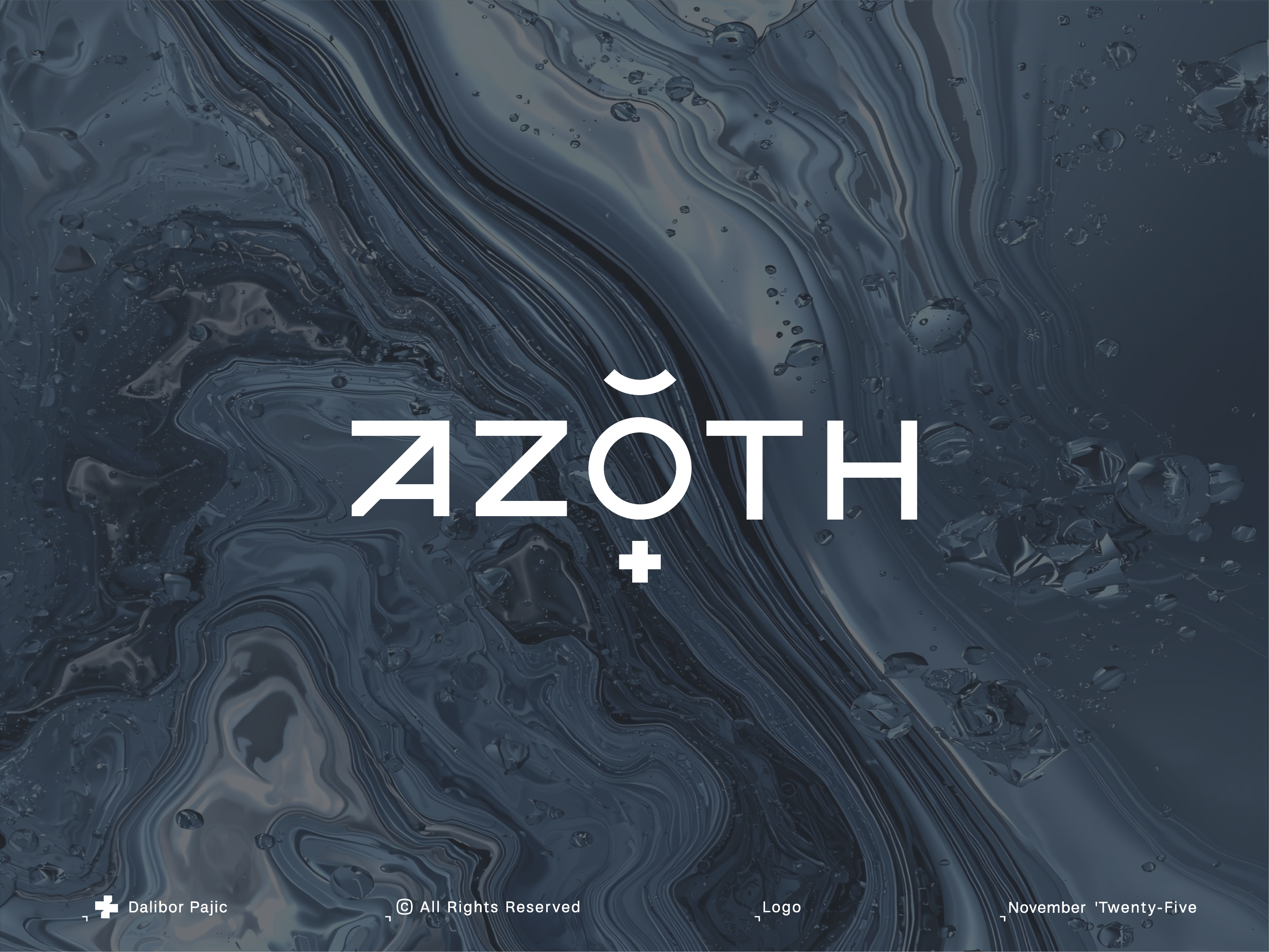



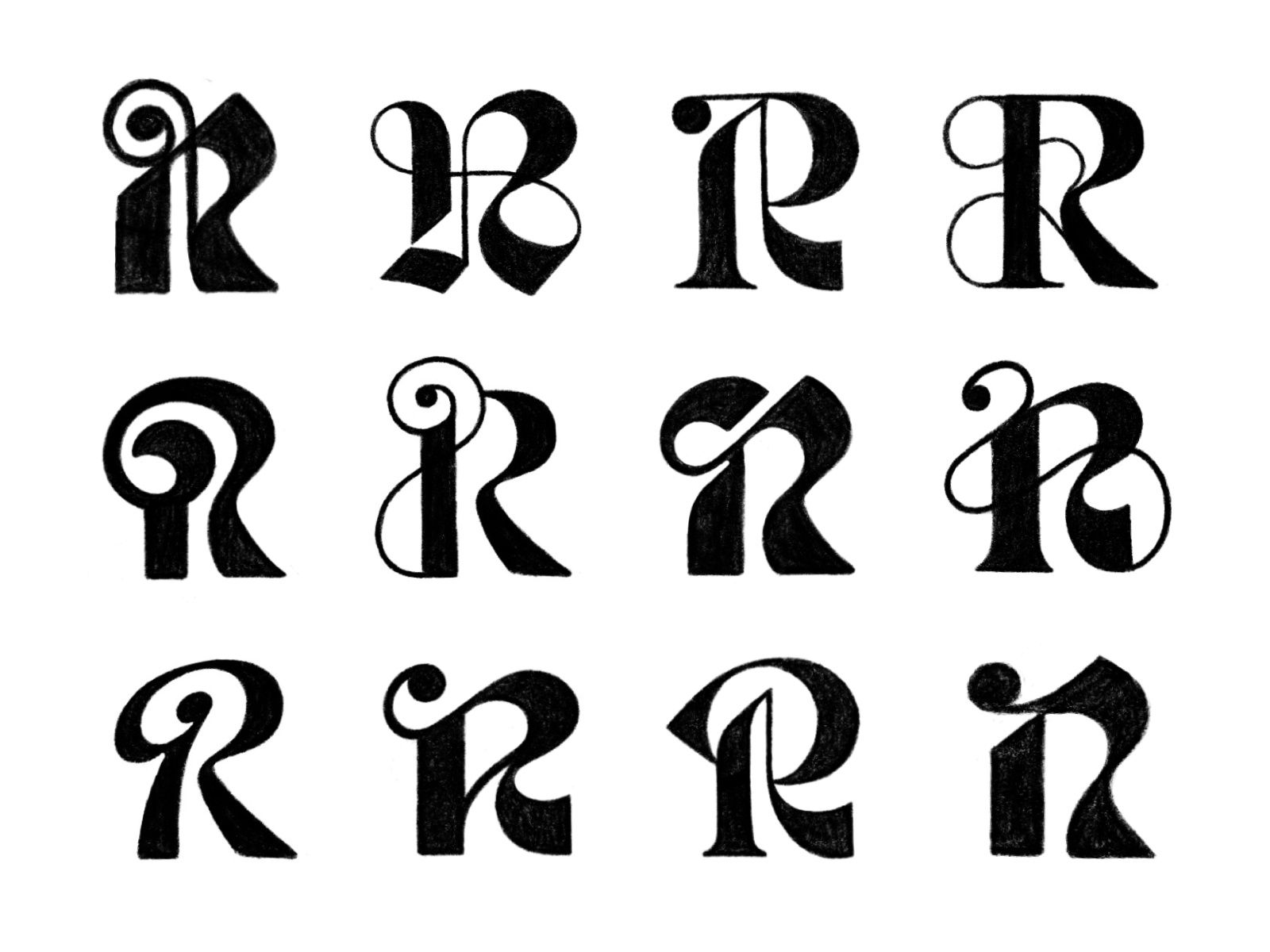








Discover more Freelance Typography Designers on Dribbble









 Art by Karen Novelo
The Dribbble Standard
Dribbble is the creative marketplace where businesses discover, hire, and pay leading designers and agencies with community-validated portfolios since 2009. Clients, from startup founders to global brands, trust our human-first ecosystem for finding designers.
What sets Dribbble apart:
- Strong community of design experts ready for hire
- Verified experience and skill sets
- Direct access to typography designers and agencies
Top Typography Design profiles showcase real work, giving you confidence in both craft and capability.
The Definitive Guide To Hiring Typography Designers
What Does a Typography Designer Do?
A typography designer can work on custom lettering, typefaces, or broader typography systems. Custom lettering covers fixed letterforms created for a specific use, such as a wordmark or logotype. Typeface design involves creating a font that can be installed and used across many words and applications.
Typography designers can also create systems using existing fonts. This includes choosing typefaces, defining heading and body styles, setting sizes and spacing, and establishing rules that keep typography consistent across websites, apps, print, and brand materials.
More specialized projects may include multilingual character sets, custom font weights, variable fonts, and files for desktop or web use. The exact deliverables and licensing terms should be agreed upon before work begins.
Why Hire a Typography Designer?
A typography designer helps make written content more distinctive, readable, and consistent across a brand’s different applications.
Typography designers can help:
- Create custom lettering, wordmarks, and logotypes
- Design typefaces with the required characters and language support
- Build clear type scales for headings, body copy, and supporting text
- Pair typefaces that work well together
- Refine spacing and kerning for better readability
- Create multiple weights, styles, or variable font options
- Prepare font files for desktop and web use
- Define licensing requirements for the intended applications
- Document typography rules for designers and developers
How to Hire a Typography Designer
Step 1: Define whether you need lettering, a typeface, or a type system
Decide which of the three you are commissioning, because they have almost nothing in common commercially. A wordmark is a one-off drawing. A typeface is a working font with broader technical and licensing requirements. A type system is documentation applied to fonts you license from someone else. Then list where the type has to appear: print, web, product interfaces, packaging, video, and any languages beyond English.
Pro tip: Confirm where the typography will be used before briefing. Desktop, web, app, and other uses can carry different licensing requirements.
Step 2: Review typography designer portfolios
Look at the spacing between letters rather than at the letterforms themselves, since that is where skill shows. Compare how a designer handles awkward pairings and diagonal letters, and look for the same word shown at large and small sizes so you can see whether the drawing survives being reduced.
Pro tip: Ask to see character set specimens rather than hero images. A designer who can show a full glyph chart with accents, figures, and punctuation has produced real font files, not only display artwork.
Step 3: Evaluate their process
Ask whether they draw in Glyphs, FontLab, or RoboFont, how they approach kerning and spacing, whether they test at small sizes and hint accordingly, how they handle language coverage, and what happens if you later need extra weights or an additional script.
Pro tip: Ask what happens to the typeface after the project ends. Some designers retain the right to release the face commercially, and whether your version stays exclusive is a term to settle before drawing begins, not after.
Step 4: Align on the scope and timeline
Confirm the exact deliverables: number of weights and styles, the character set and languages, whether a variable font is included, which file formats you receive, and whether you are buying vector artwork or an installable font. Then settle the licence terms covering desktop seats, webfont traffic, app embedding, exclusivity, and duration, plus how later weights or scripts would be priced.
Pro tip: Get the webfont licence in writing separately from the desktop licence. Many commissions are delivered with desktop rights only, and the gap is usually discovered when a developer tries to self-host the file.
Cost of Hiring a Typography Designer
Typography designers charge from $20 to $55 per hour, while specialist typeface designers report rates around $40 to $60 per hour.
Custom typeface commissions can cost substantially more. Prices range:
- Early-career designers: $8,000–$25,000 per style
- Established designers: $30,000–$75,000 for a four-style family with temporary exclusivity
- Well-known designers: $100,000–$250,000+ for comparable custom work
Final pricing depends on the number of characters, weights and styles, language coverage, variable font requirements, technical preparation, and exclusivity or licensing terms.
Freelance Typography Designer vs Branding Agency
The main difference is scope: a freelance typography designer focuses on lettering, typefaces, or typography systems, while a branding agency can develop the broader identity those elements support.
| Factor | Freelance Typography Designer | Branding Agency |
|---|---|---|
| Best for | A wordmark, a commissioned typeface, or a documented type system | A full identity where type is one component among many |
| Typical scope | Letterform drawing, character sets, font files, licensing, and type documentation | Positioning, naming, identity design, guidelines, and rollout across touchpoints |
| Communication | Direct access to the designer | Communication with a multidisciplinary team |
| Flexibility | Often more flexible | More structured process |
| Team | Usually one specialist | Multiple creative specialists |
| Choose when | The brand exists and needs letterforms of its own | Type decisions cannot be made until the wider identity is resolved |
Featured Typography Designer Success Story
Dribbble gives typography designers a platform to show how distinctive references can be developed into original letterforms. This project turns the character of vintage auto parts lists into a complete typeface.
Explore: Parts List Typeface by Beth Mathews
- Challenge: The project required creating a typeface inspired by old auto parts lists with a distinctive typewriter-meets-handwriting feel.
- Solution: Beth Mathews developed the font from vintage parts-list references, using intentionally irregular letterforms to shape its character.
- Result: The finished typeface creates a recognizable, slightly wobbly visual style and was released for use through the designer’s website.
Related Typography Design Resources
How To Hire A Professional Typography Designer on Dribbble
Use InstantMatch to connect with the right designer fast.
-
Step 1
Submit your Project Brief
-
Step 2
Get Matched with Vetted designers
-
Step 3
Start your project
Frequently Asked Questions on Hiring Typography Designers
It depends on how you plan to use the typography. Custom lettering is designed for a specific application, such as a logo, wordmark, poster, or campaign. A custom typeface includes a broader character set that can be used repeatedly across brand, print, digital, or product applications.
Yes. Type designers can extend a typeface with additional characters, accents, or writing systems, but multilingual work requires specific expertise. If your brand operates internationally, tell the designer which languages and scripts you need before the project begins.
Clarify whether you are commissioning original typography or using an existing commercial font. For custom work, agree on ownership and where the type can be used. For licensed fonts, usage terms may differ for desktop, web, apps, advertising, or other applications.
The formats depend on where the typeface will be used. Common deliverables include OTF or TTF files for desktop use and WOFF or WOFF2 files for websites. If you may need future modifications, also clarify whether editable source files are included.
Browse Typography Designer profiles on Dribbble or use InstantMatch to quickly connect with vetted typography designers who fit your lettering, typeface, or type system requirements, licensing needs, and timeline.
Have another question? Check out the Dribbble Help Center for more answers.


