

Hire the Best AI Designers
Work with the world's best AI designers. Explore our curated marketplace of top-rated freelance talent trusted by global brands.
Find your AI Designer on Dribbble


















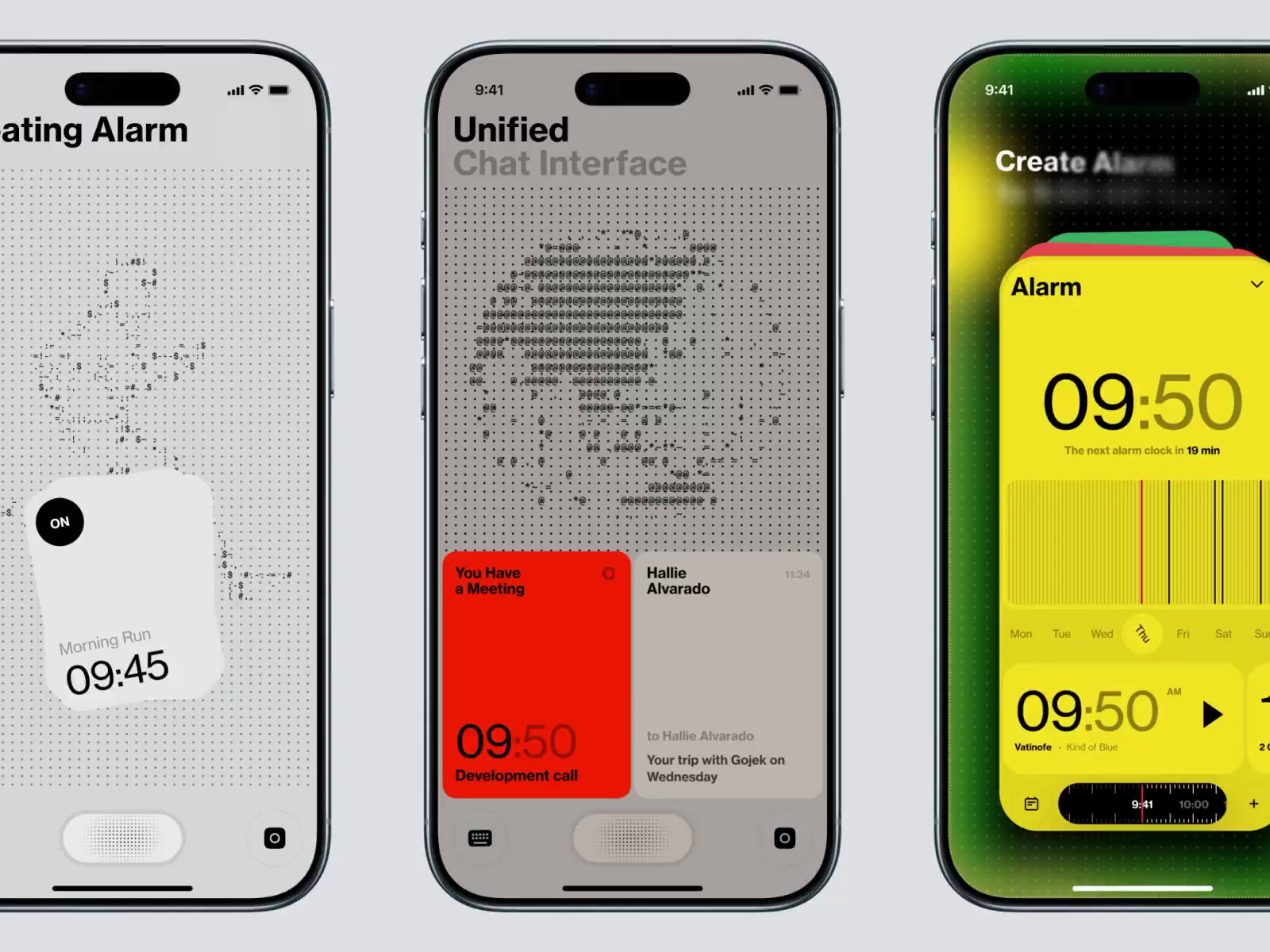






Discover more Freelance AI Designers on Dribbble



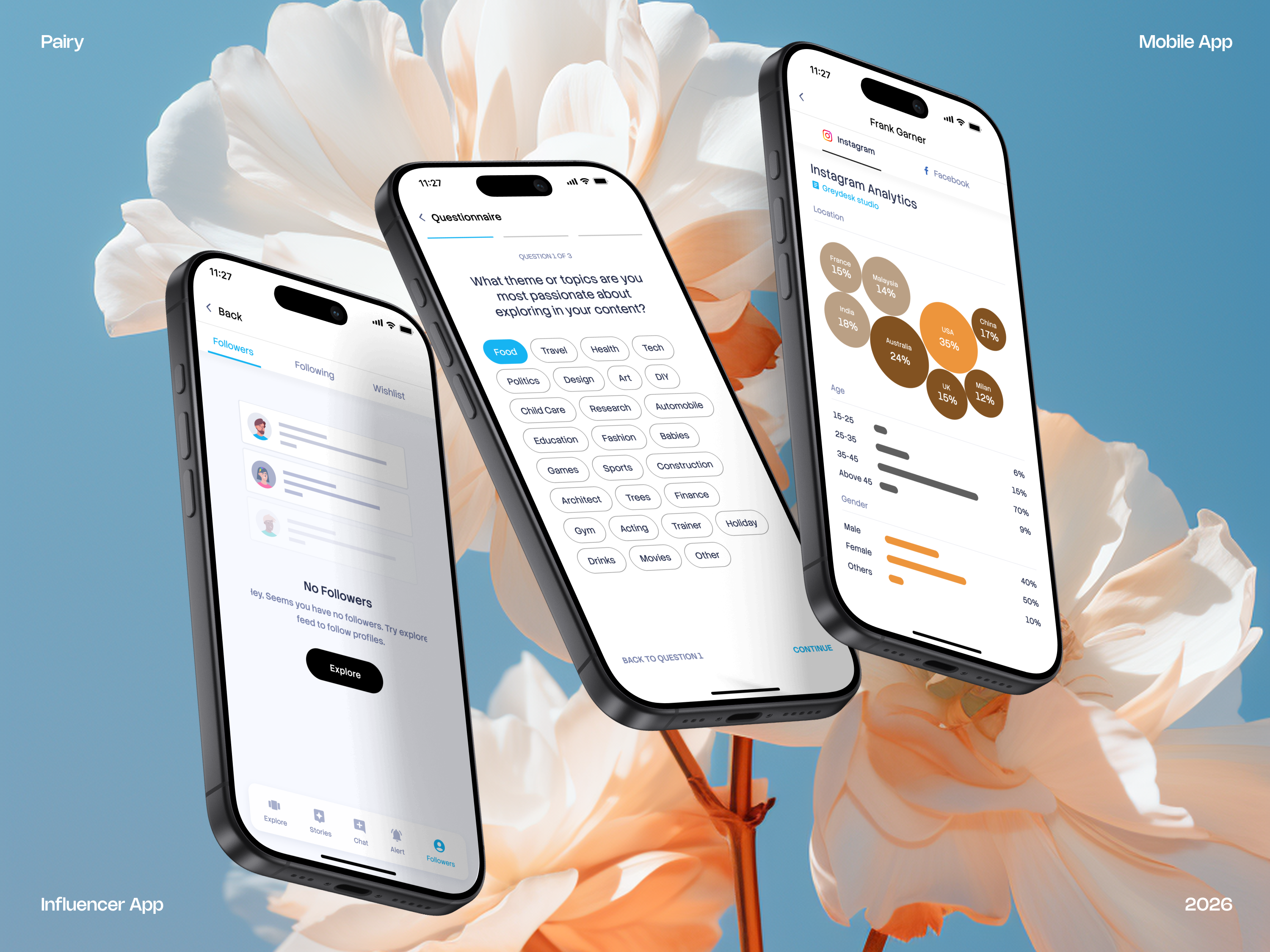






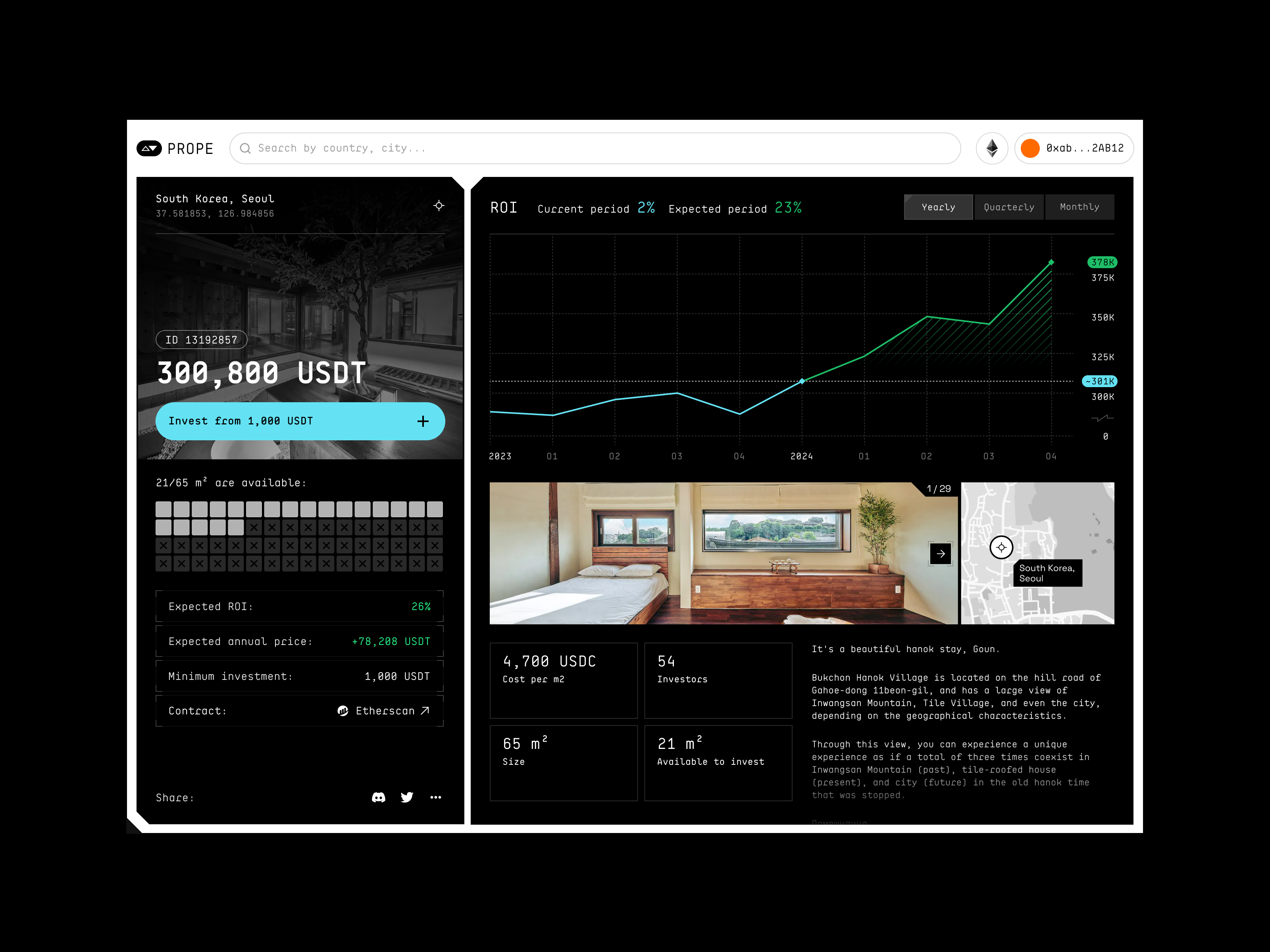



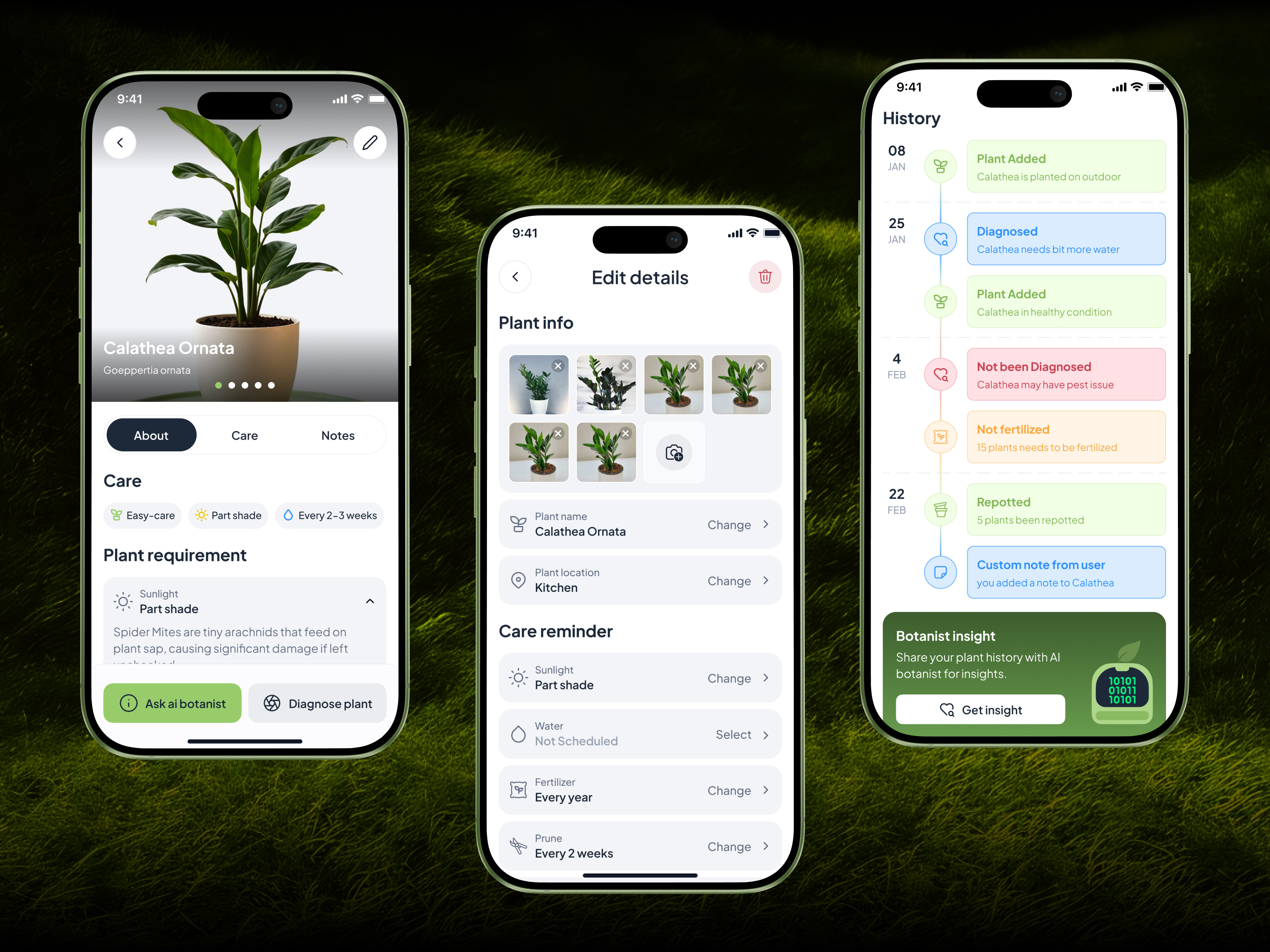


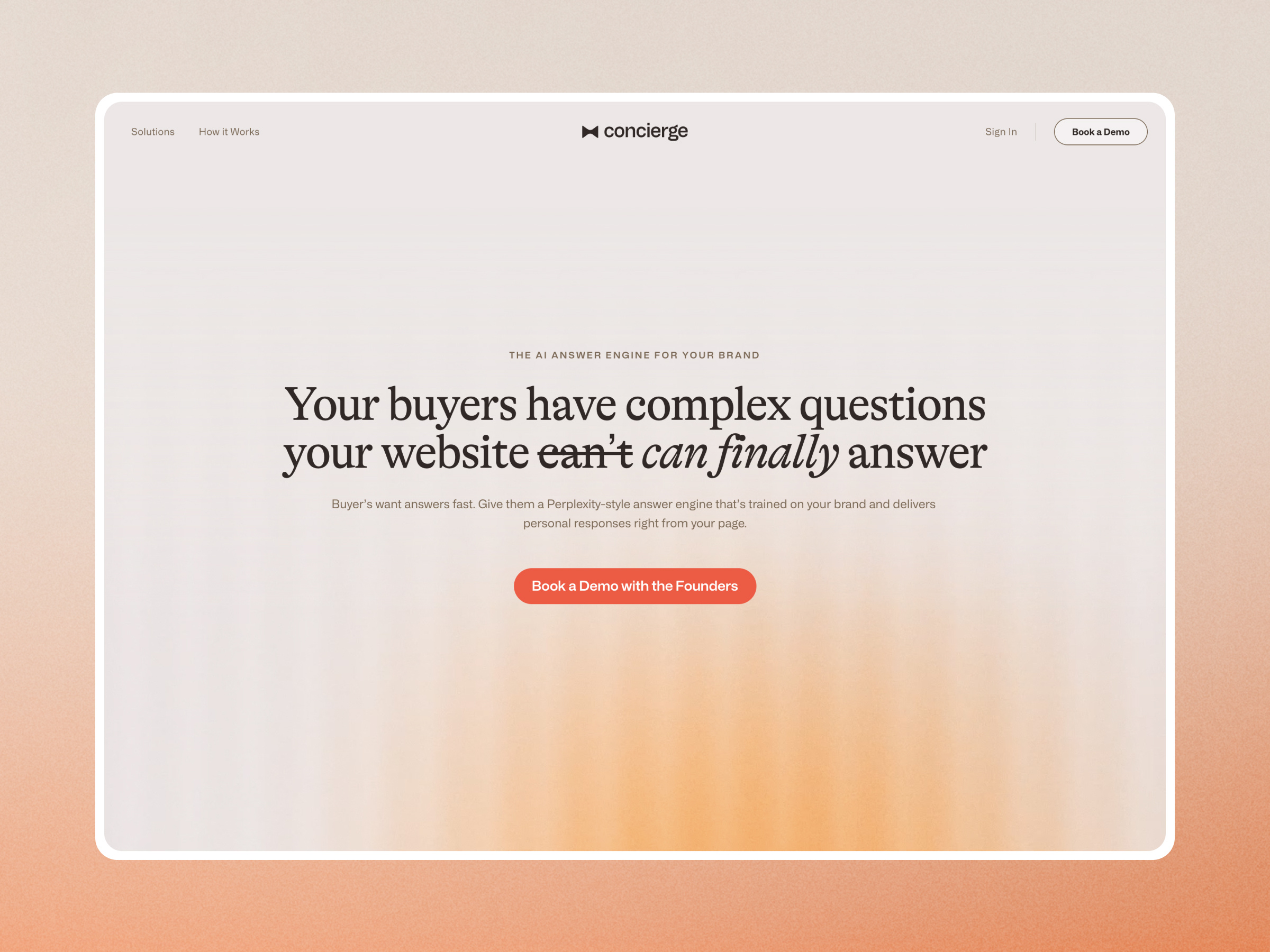


 Art by Karen Novelo
The Dribbble Standard
Dribbble is the creative marketplace where businesses discover, hire, and pay leading designers and agencies with community-validated portfolios since 2009. Clients, from startup founders to global brands, trust our human-first ecosystem for finding designers.
What sets Dribbble apart:
- Strong community of design experts ready for hire
- Verified experience and skill sets
- Direct access to AI designers and agencies
Top AI Design profiles showcase real work, giving you confidence in both craft and capability.
The Definitive Guide To Hiring AI Designers
What Does an AI Designer Do?
An AI designer creates interfaces and user flows for products powered by AI models. Their work can include chat and conversational interfaces, prompt inputs, dashboards, source and citation displays, review flows, and the loading, error, and response states that appear while an AI system is working.
AI products need more states than traditional interfaces because outputs can vary, take time to generate, or require correction. Designers therefore plan for streaming responses, interruptions, low-confidence results, errors, and human review before important actions are completed.
Some AI designers also use generative tools in their own creative process for concept exploration, imagery, or visual variations. If AI-generated assets are part of the deliverable, confirm which tools were used and what commercial-use terms apply.
Why Hire an AI Designer?
An AI designer helps make AI-powered features easier to understand, use, review, and correct when the system does not behave as expected.
AI designers can help:
- Design prompt inputs that guide users toward useful queries
- Create loading, streaming, and stop states for generated responses
- Show citations and sources alongside AI-generated answers
- Design feedback and correction flows for inaccurate output
- Add human review steps before important AI actions are completed
- Create onboarding for first-time AI product users
- Build reusable components for empty, loading, error, and refusal states
- Design dashboards, marketing sites, and product interfaces for AI companies
- Use AI tools for concept exploration and visual variations when required
How to Hire an AI Designer
Step 1: Define which kind of AI design work you need
Separate the two jobs before you write the brief. If you are building an AI product, specify the surfaces in scope, which model or provider sits behind them, what the failure modes look like in practice, and how consequential a wrong answer is for your users. If you want AI-assisted creative production, specify the asset types, the volume, the brand style the output has to land in, and your position on tool licensing and disclosure.
Pro tip: Write down what your product should do when the model refuses, times out, or returns something wrong. Those three cases shape more of an AI interface than the successful path does, and briefs routinely omit them.
Step 2: Review AI Designer portfolios
Look for the states that only appear in shipped work: a streaming response mid-generation, a citation panel, a low-confidence result, a rejected output with a correction path. Static hero screens of a chat window are easy to produce and reveal little. For AI-assisted creative work, judge consistency across a set rather than a single striking image.
Pro tip: Ask for a prototype or a recorded walkthrough rather than flat frames. Timing, streaming behavior, and interruption controls cannot be judged from a still image.
Step 3: Evaluate their process
Ask how they worked with engineers on model behavior, latency, and error handling, and how they validated designs when output cannot be predicted in advance. Ask what they changed after seeing real model responses rather than placeholder text. If AI-assisted production is in scope, ask which tools they use, on what account tier, and what they will state in writing about the origin of delivered assets.
Pro tip: Ask how they tested with realistic bad output, not just the ideal answer. A designer who has only ever prototyped with handwritten sample text has not yet met the problem.
Step 4: Align on the scope and timeline
Confirm the screens and flows in scope, the states each must cover, revision rounds, whether a component library and prototype are included, and how the design will be handed to engineering. If generative tools are used in delivered assets, also agree on tool usage, licensing, ownership, and disclosure requirements in writing.
Pro tip: Put the AI tool and licensing terms into the contract rather than the kickoff call. Tool terms differ by provider and by plan tier, and a written record of which tools produced which assets is what makes the question answerable later.
Cost of Hiring an AI Designer
Freelance AI designers typically charge $80 to $155 per hour, with rates varying by experience, specialization, and location.
Comparable freelance design rates include:
- Embedded product designers: $80–$115 per hour
- Product designers combining research and design: $100–$135 per hour
- Design system specialists: $110–$145 per hour
- Designers working on technically complex products, including AI interfaces: $115–$155 per hour
Broader freelance UI, UX, and product design benchmarks can reach $120 to $250+ per hour for senior specialists.
Final pricing depends on the number of screens and states, prototype and component requirements, complexity of AI interactions, testing against real model output, data and citation displays, and whether review or approval workflows are required.
Freelance AI Designer vs Product Design Agency
The main difference is scope: a freelance AI designer focuses on a defined feature, flow, or interface, while a product design agency can support broader research, strategy, and end-to-end product design.
| Factor | Freelance AI Designer | Product Design Agency |
|---|---|---|
| Best for | A specific AI feature, flow, or interface surface | End-to-end design of an AI product from research through delivery |
| Typical scope | Flows, screens and their states, component work, prototypes, and handoff | Discovery, research, product strategy, full design system, and ongoing delivery |
| Communication | Direct access to the designer | Communication with a multidisciplinary team |
| Flexibility | Often more flexible | More structured process |
| Team | Usually one specialist | Multiple creative specialists |
| Choose when | The product direction is set and a defined surface needs designing | The product is early or broad and needs research and design capacity together |
Explore product design agencies
Featured AI Designer Success Story
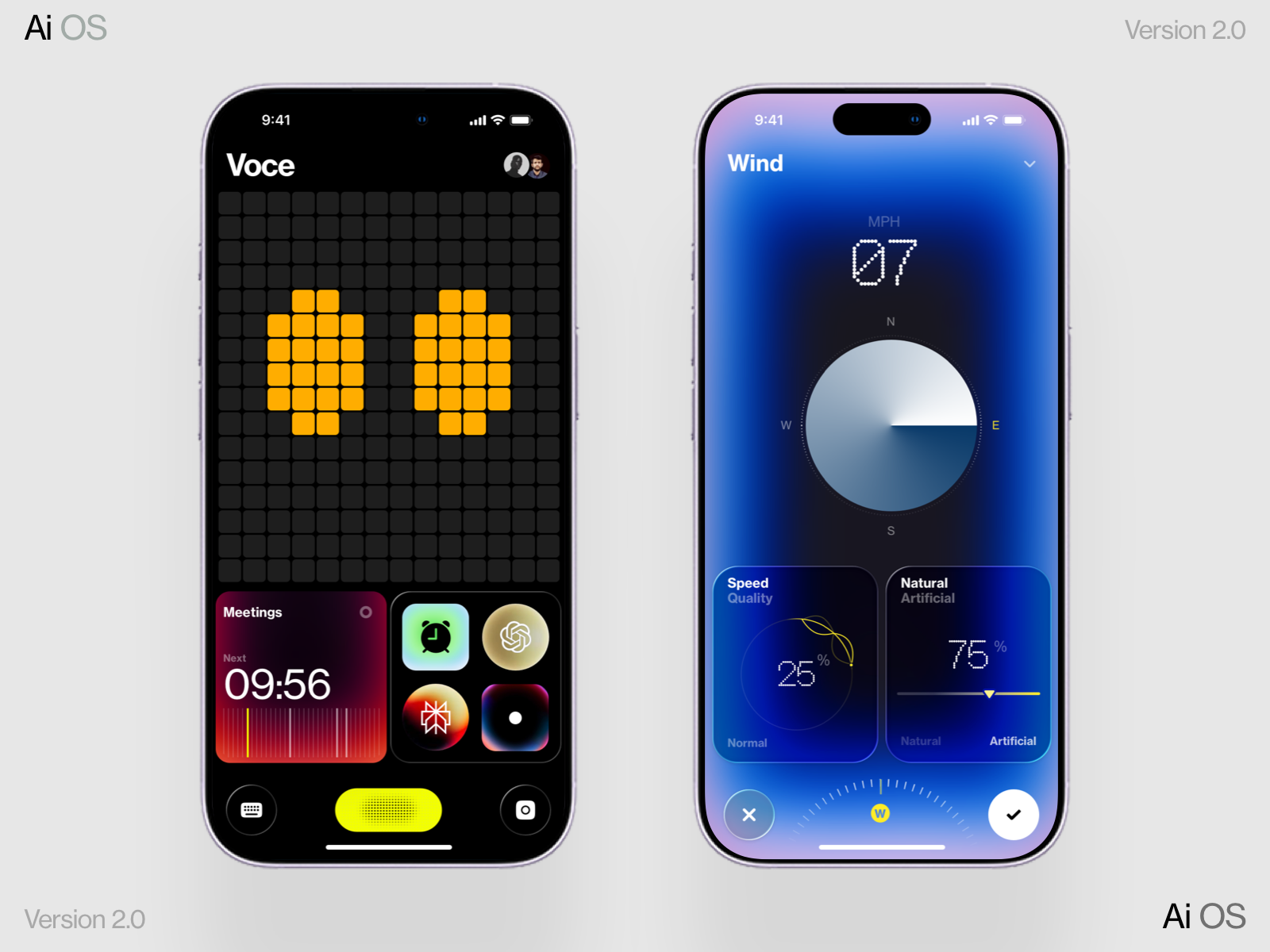
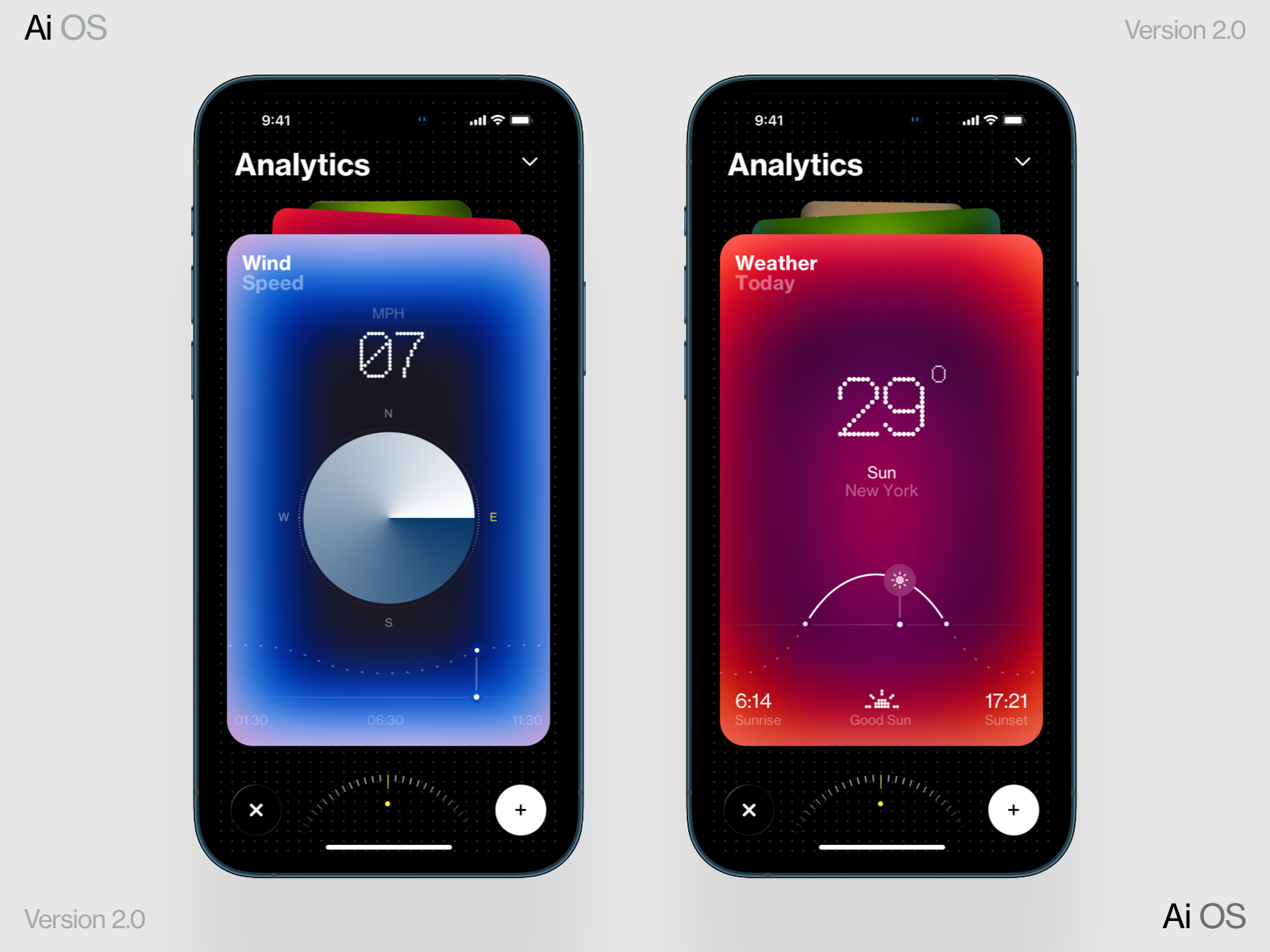
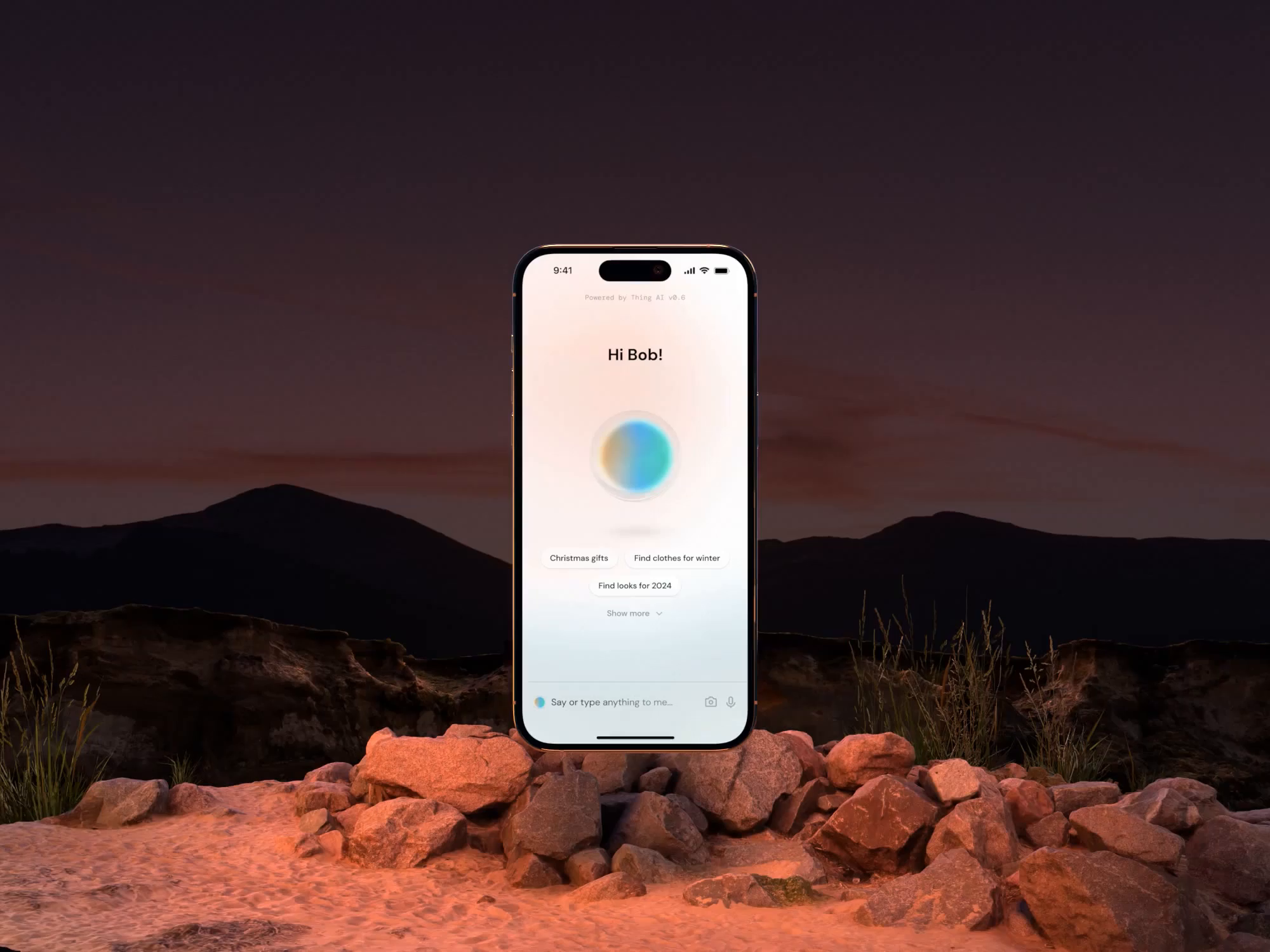
Dribbble gives AI designers a platform to explore new interaction patterns for products that do not behave like traditional software. This featured project shows how navigation can be rethought for a more natural AI experience.
Explore: Mind Space for Natural AI design exploration by Gleb Kuznetsov
- Challenge: The designer’s task was to make navigation in an AI product feel more natural and less like operating conventional software.
- Solution: Gleb Kuznetsov explored a Mind Space interface built around a more fluid way of moving through information and interaction.
- Result: The finished concept demonstrates an alternative navigation direction for a Natural AI experience.
Related AI Design Resources
How To Hire A Professional AI Designer on Dribbble
Use InstantMatch to connect with the right designer fast.
-
Step 1
Submit your Project Brief
-
Step 2
Get Matched with Vetted designers
-
Step 3
Start your project
Frequently Asked Questions on Hiring AI Designers
Look for AI-powered product experiences, not just conventional app or web interfaces. Relevant work may include copilots, chatbots, AI search, recommendation systems, generative tools, or agent workflows. Strong case studies should show how the designer handled user inputs, AI responses, uncertainty, errors, and human control.
AI interfaces need to account for outputs that may be incomplete, uncertain, or wrong. A strong AI designer should create clear fallback states, ways to correct or regenerate results, appropriate warnings, and paths for human review when needed. These patterns help users understand what the AI can and cannot reliably do.
Yes. AI designers can prototype conversational flows, copilot experiences, prompts, generated outputs, and different interaction states before a full product is built. This lets teams test whether users understand the experience and identify problems with the workflow before committing to development.
They should think beyond the chat box itself. Important considerations include how users start tasks, what context the AI needs, how responses are structured, how users refine results, what happens when the AI fails, and when the system should escalate to a person or another workflow. Trust, transparency, and clear user control are especially important in AI-driven interfaces.
Browse AI Designer profiles on Dribbble or use InstantMatch to quickly connect with vetted AI designers who fit your product surface, licensing requirements, and timeline.
Have another question? Check out the Dribbble Help Center for more answers.


