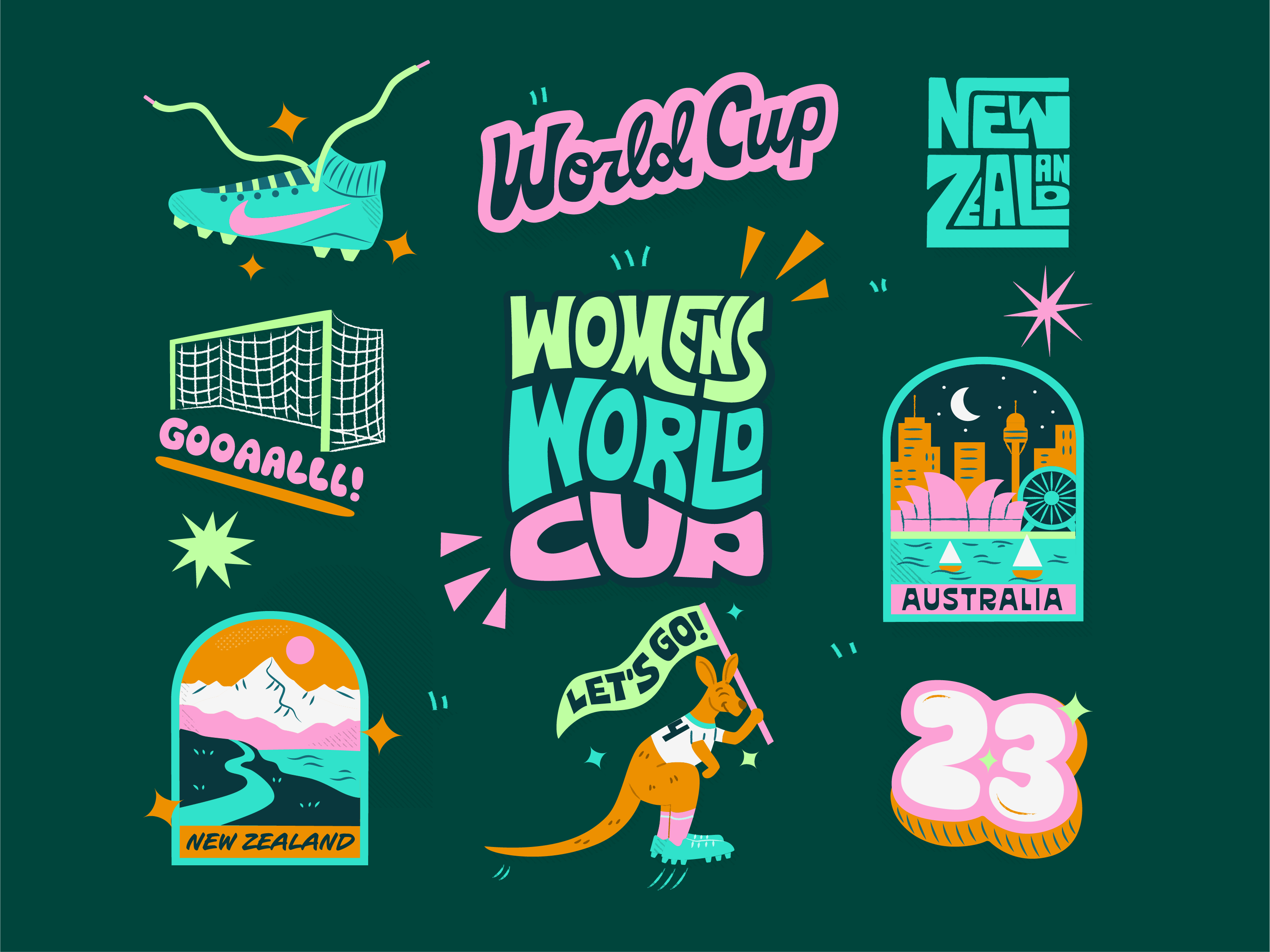
Women’s sports are no longer a “growth opportunity.” They’re a movement.
From rising media valuations to record-breaking attendance and brand investment, the shift is undeniable. Publications like Print Magazine are calling it a “golden age” of women’s sports branding. Forbes is outlining how brands can meaningfully participate in the revolution. And leagues like the WNBA are doubling down on expansion, storytelling, and identity-driven growth.
But here’s the real story: this era isn’t just being built by athletes and executives.
Designers are shaping it.
Branding is no longer a jersey. It’s a cultural signal.
The Toronto Tempo, unveiling their inaugural jerseys ahead of their debut season as an expansion of the WNBA, was a signal to women everywhere that their time in the “big leagues” was here. The typography, palette, silhouette, and narrative were designed to stand for something larger: local pride, cultural identity, and the future of women’s basketball in Canada.
Today we’re seeing more:
- Strong typographic systems
- Bold choices in color
- Community-led storytelling
- Merch designs that will live beyond game day
For women’s teams, design is not just decoration. It’s infrastructure. You can experience the aesthetic shift happening in real time through the work we’re seeing on Dribbble.
From team identity to lifestyle movement
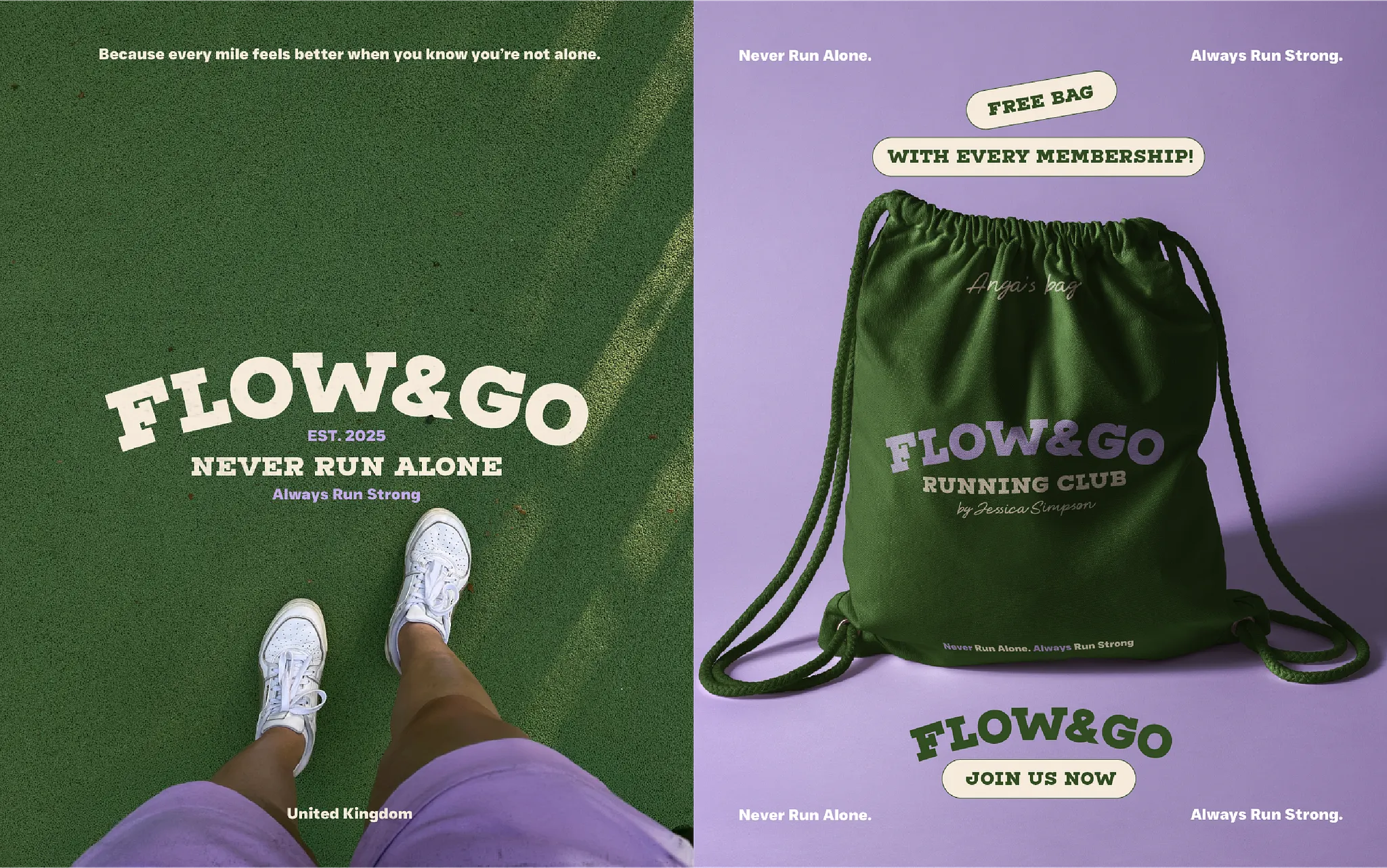
Take projects like Flow & Go Women’s Running Sports Club Branding and Logo, a concept that captures something we’re seeing across women’s sports: brands built around belonging, not just performance.
The visual language leans into fluid typography, expressive marks, and identity systems that feel wearable and communal. It reflects classic “track club” motifs with a broader purpose: women’s sports aren’t just an aesthetic; “it’s a feeling, a culture, a movement.”
This mirrors what’s happening across the industry. Brands are recognizing that women’s sports (fans and participants alike) are deeply value-driven, and that visual identity must match that emotional intelligence.
Sports media is becoming design-forward
It’s not just teams evolving through a new logo or jersey; it’s the entire ecosystem around them.
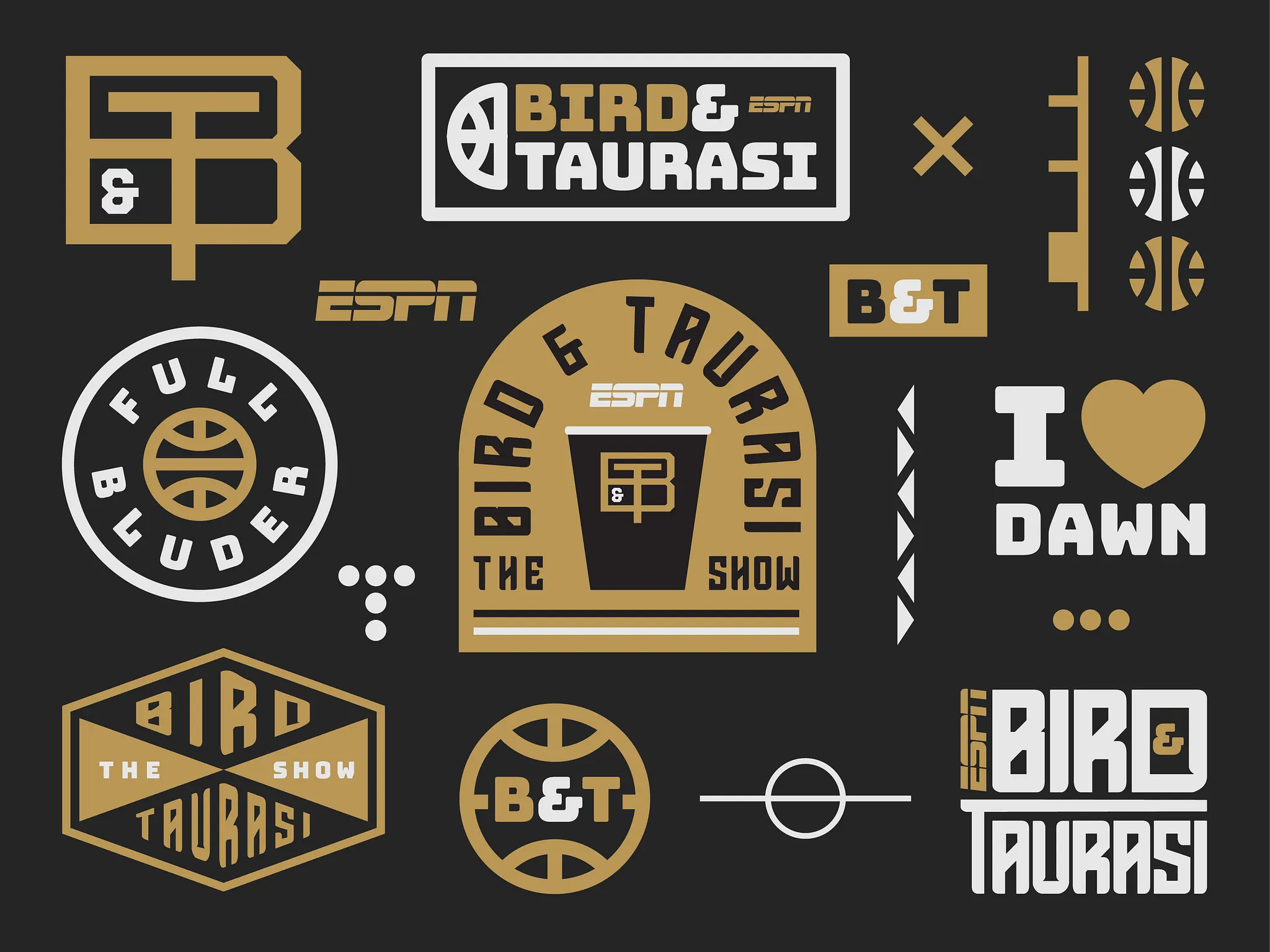
Projects like The Bird Taurasi Show concept capture the rise of personality-driven sports storytelling, as seen in this ESPN alternate broadcast featuring WNBA legends Sue Bird and Diana Taurasi. Media in women’s sports is bold, self-aware, and culturally literate, and the branding reflects that energy.
The typography feels editorial. The graphics feel digital-native. The visual system feels built for social-first distribution.
Designers like Danielle Podeszek aren’t just creating and handing off assets. They’re shaping how sports culture is appreciated and consumed.
Embracing the merch that moves beyond the stadium
Another shift? Merchandise that works on and off the court.
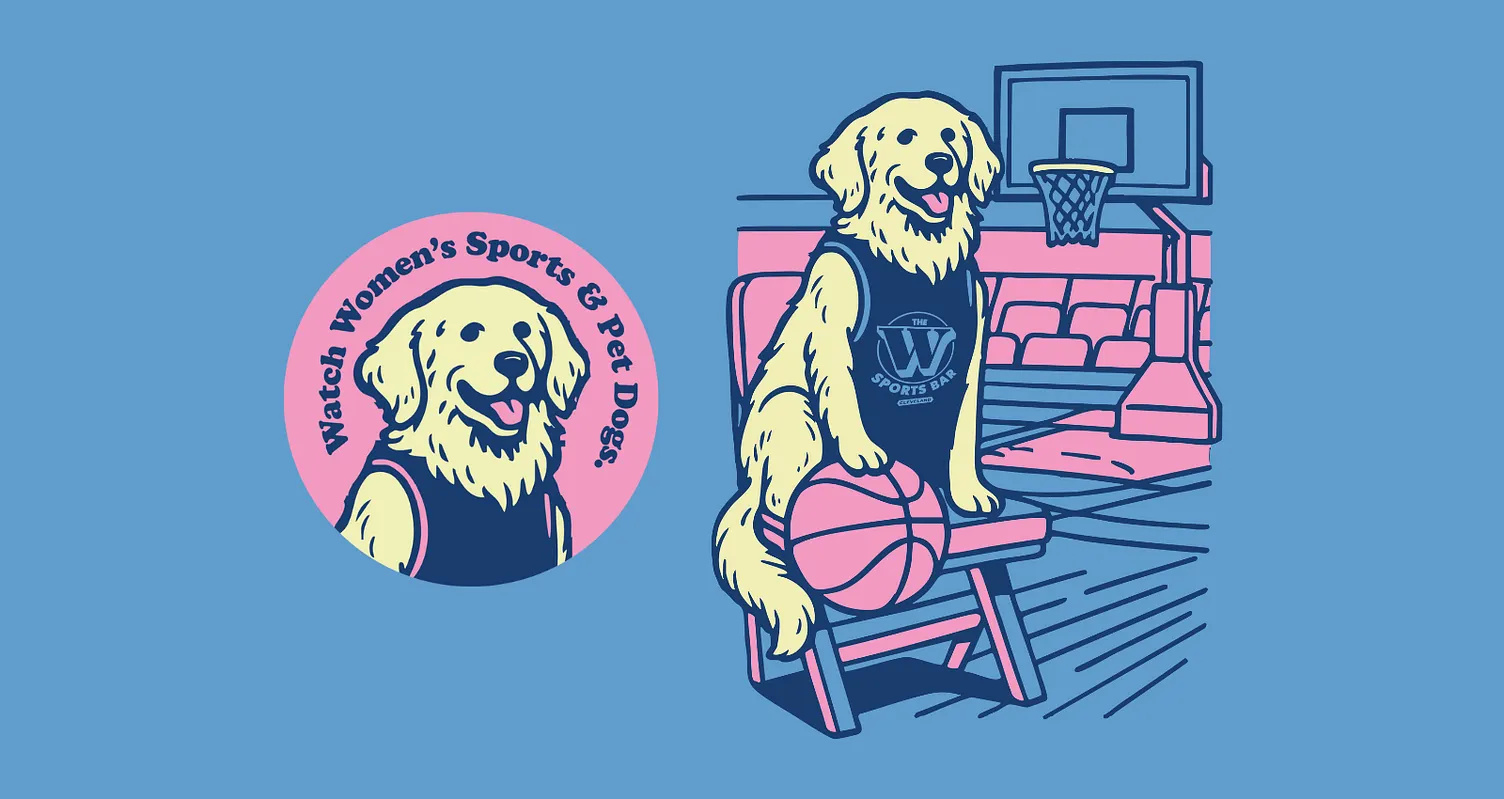
Concept apparel like the Dog Illustration Tee shows how sports-adjacent design is leaning into expressive illustration and streetwear, especially as more and more folks tune in to all kinds of women’s sports. And mood boards like One Of Us Bar reflect the kind of experiential branding that influences women’s sports events, bars, pop-ups, watch parties, and community hubs.
The real revolution is that women’s sports branding is no longer siloed into uniforms and logos. It spans hospitality, digital, retail, content, and community spaces.
Designers who understand systems, not just surfaces, are thriving in this space, and consumers are LOVING it.
Why this moment matters for designers
Women’s sports are scaling fast. But unlike legacy men’s leagues that evolved through decades of broadcast conventions and rigid branding structures, women’s sports are building in the modern era:
- Digital-first
- Community-driven
- Design-conscious
- Brand-native
That means endless opportunities to: define what a new league looks like, create identities from scratch, build merchandise ecosystems, motion systems, experiential spaces, and social-first visual languages.
This isn’t a niche. It’s a (fast-moving) frontier.
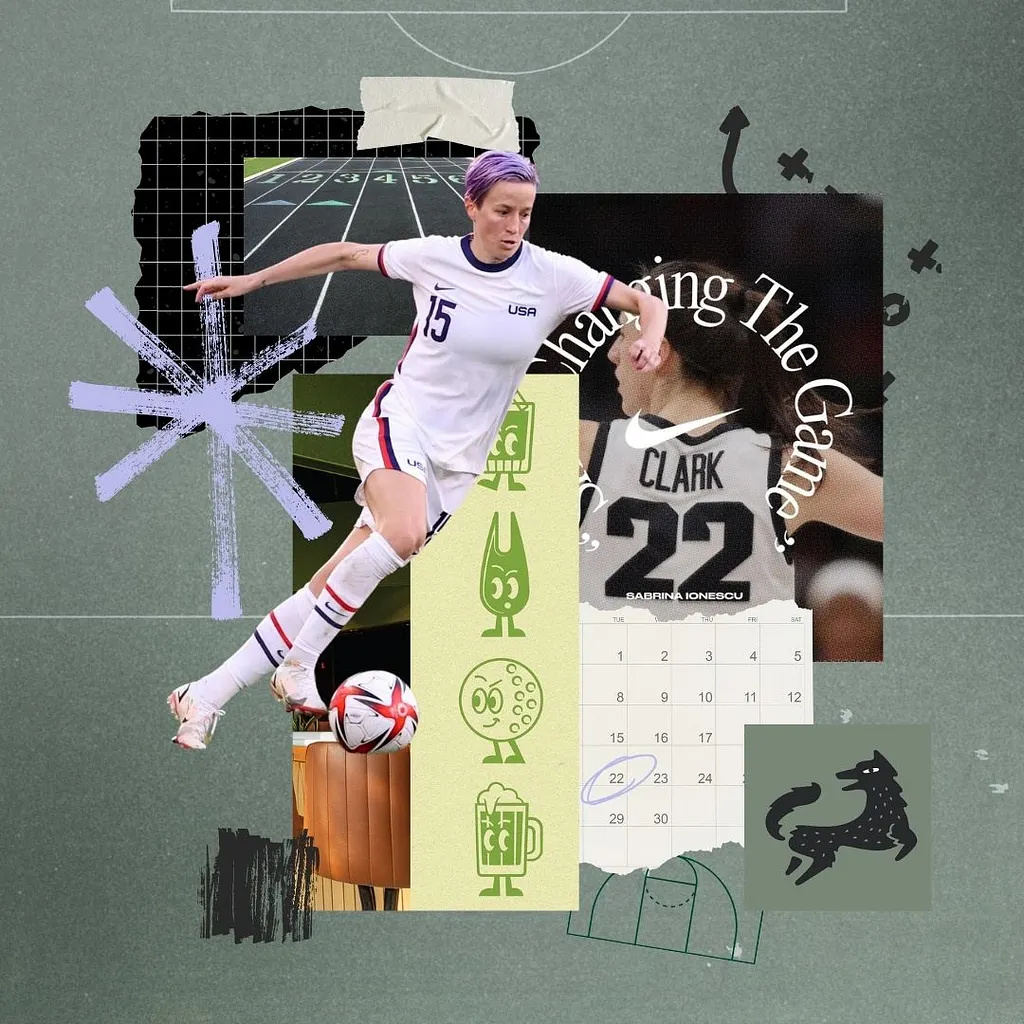
Where women’s sports designers fit in
Dribbble has always been a place to showcase work, but in moments like this, it becomes something more powerful. Consider it your launch pad.
As brands continue to invest in women’s sports, they’re looking for:
- Identity designers
- Motion designers
- Apparel and merch specialists
- Brand strategists
- Social-native creatives
The designers already exploring this space, building concept teams, sports club identities, and culture-first merch, aren’t following trends. They’re building a bright future.
And the brands watching this revolution unfold? They’re hiring.
The takeaway
This golden age of women’s sports branding isn’t just about increased funding or bigger stadiums. It’s about embracing the creative freedom that the industry embraces and building identities without inherited limitations.
It’s also about designers stepping into a moment where culture, commerce, and community intersect.
 About the Author: Olivia Hoskin is a freelance writer with a background in tech and marketing. A true design fan at heart, you’ll find her writing about the latest industry trends, technologies, and the inspiring endeavors of fellow creators. She’s a champion of remote work, a lover of responsible technology, and a fitness geek and enjoyer of the outdoors in her spare time. Find her at oliviahoskin.com.