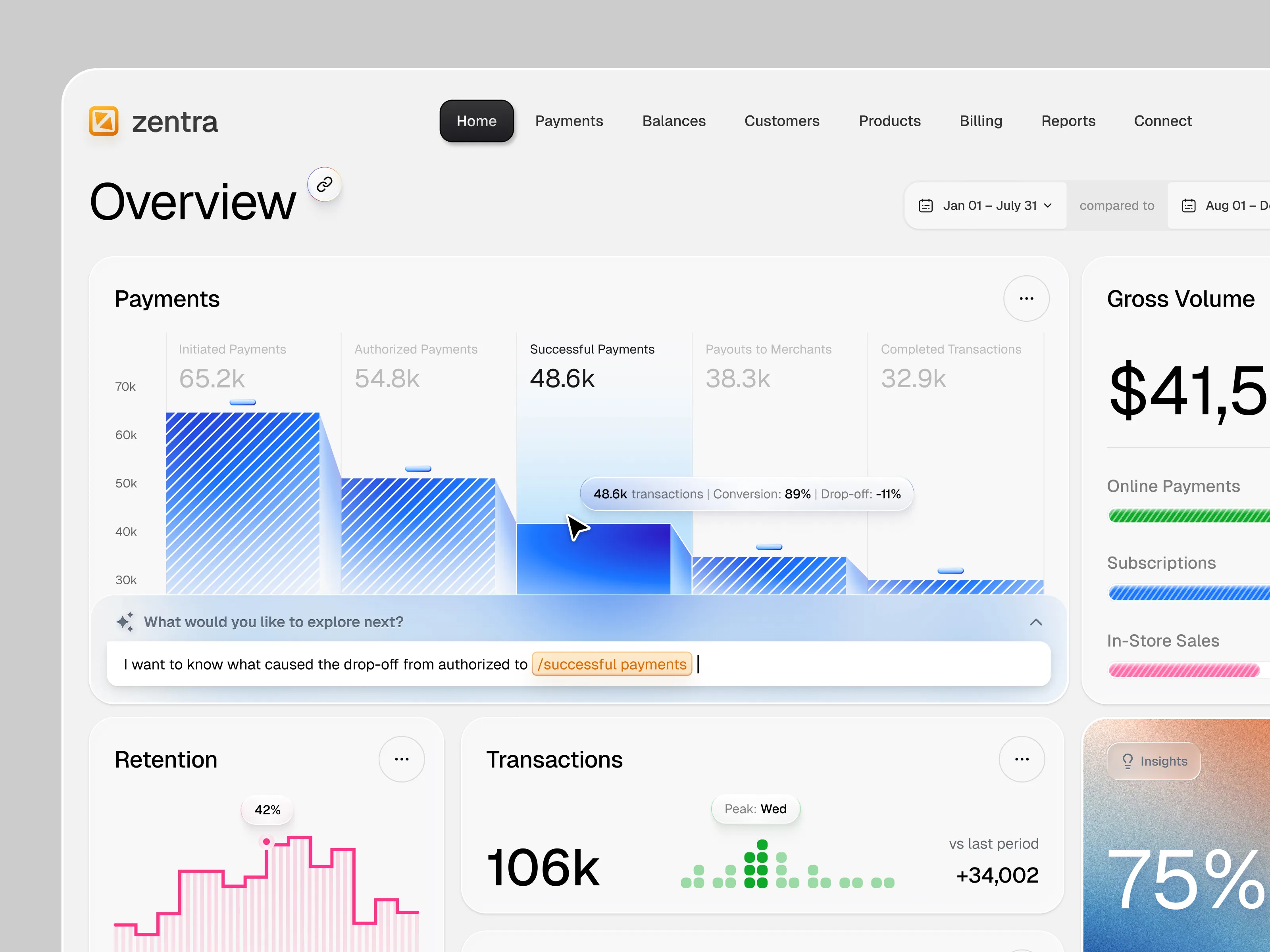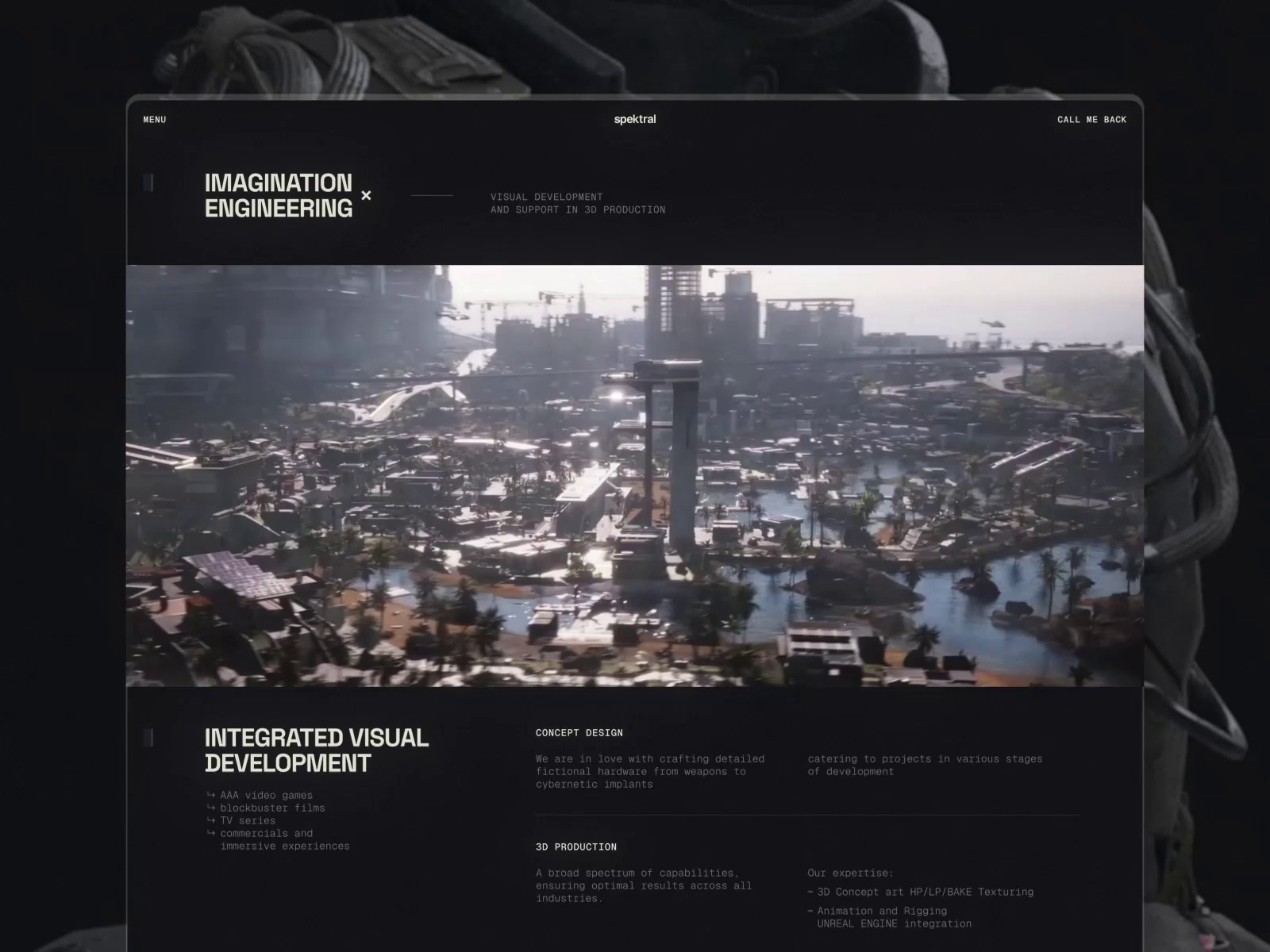
Eugene intentionally doesn’t show up on Dribbble as a solo act. As a Design Lead at Shakuro, he has spent years working on collaboration, experimentation, and shared visual thinking across a global agency. From product interfaces to concept-driven explorations, a lot of what you see on Shakuro’s Dribbble isn’t about spotlighting one designer; it’s about representing how the team thinks, builds, and evolves together.
Based on the design direction and product strategy, Eugene plays a key role in both Shakuro’s work and its public presentation. “Dribbble has always been closely tied to our growth as a team,” he says. “It’s hard to separate where one ends and the other begins.”
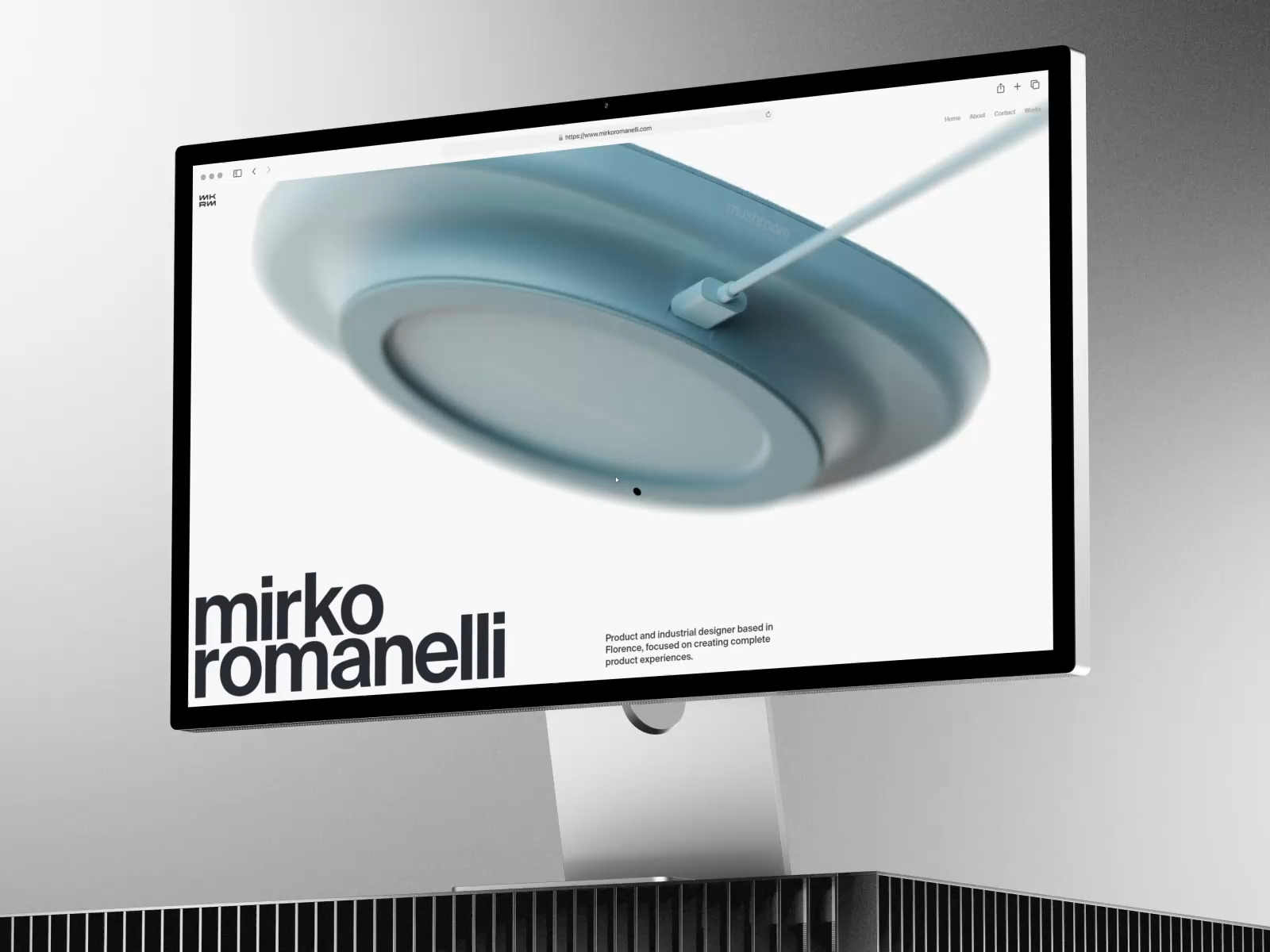
From Closed Community to Creative Constant
Eugene joined Dribbble at a time when the platform was about earning your place in a tightly knit design community.
“When we started, our account had maybe a few hundred followers, and our shots didn’t really get noticed.” He recalled, “Dribbble wasn’t a growth channel, and it felt more like a closed creative space where you wanted to prove yourself.”
That early mindset of posting because the work mattered, not because it would perform, would shape how Shakuro approached the platform over the years. Slowly but surely, Dribbble became part of the team’s creative rhythm as a place to test ideas, explore directions, and stay intentional about what they shared.
Visibility followed naturally over time; conversations trickled in, and more and more clients began reaching out. Long-term partnerships had started to form.
“It was definitely a slow, organic process,” Eugene says. “And looking back, Dribbble had a huge influence on how we grew, both creatively and commercially.”
From Design Experimentation to Landing Contracts
One of the biggest values Dribbble offers Shakuro is creative freedom. Unlike client work, where constraints are fixed, Dribbble gives the team space to explore visual ideas purely for the sake of learning.
“It’s a safe space to experiment,” Eugene explains. “We can explore new directions, styles, and concepts without needing approval.”
Thankfully, the culture of experimentation had a lasting impact on the team. They post regularly, treating design as a continuous process rather than something that only happens when the team lands a contract. Shakuro is always flexing their design muscle, driven by the constants of concept, clarity, and visual storytelling.
“Eventually, that way of thinking naturally transfers into client work,” he says. “You start solving problems more thoughtfully, not just executing tasks.”
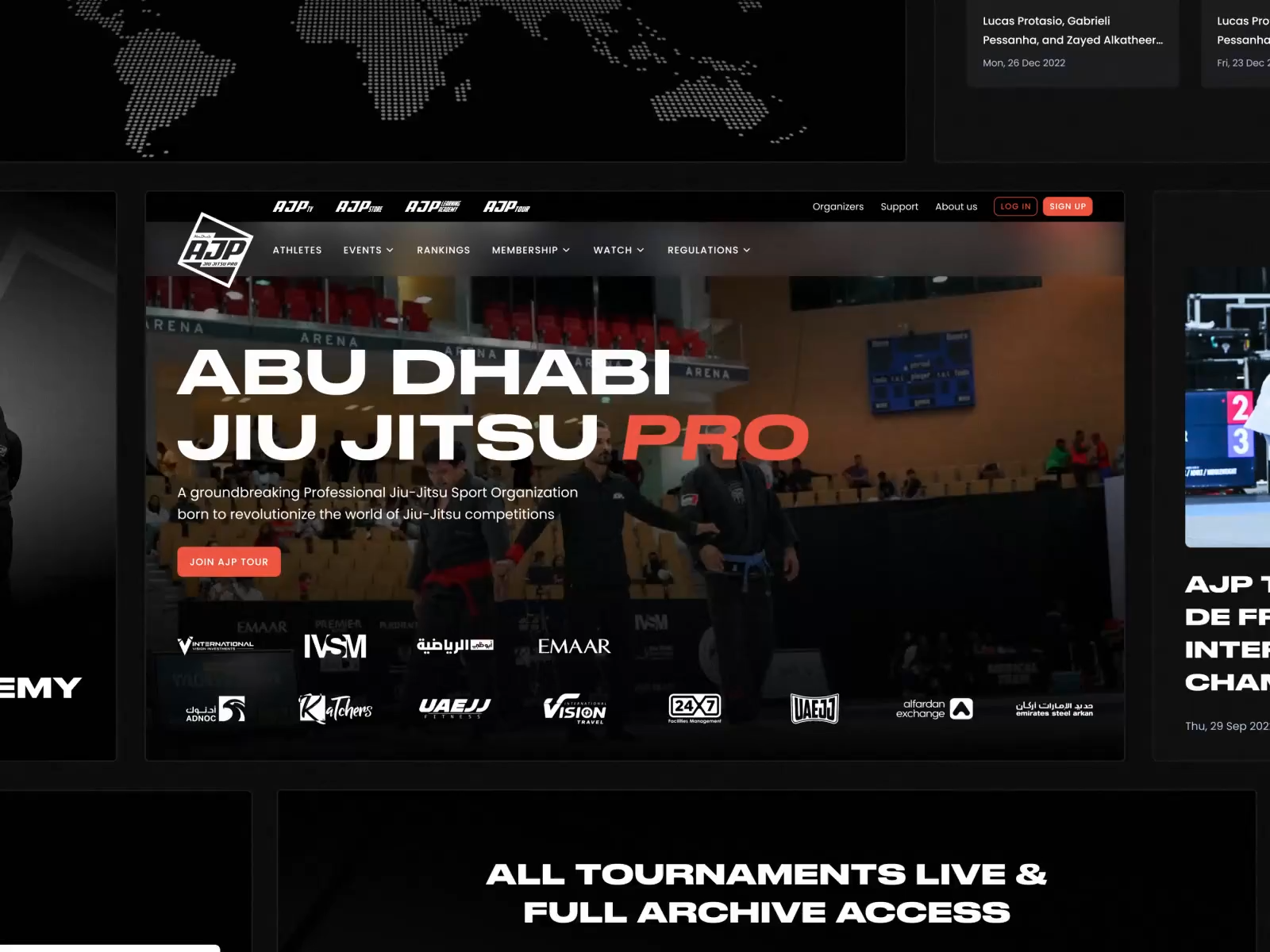
Designing Beyond Style: Clarity & Accessibility
When asked what sets Shakuro’s work apart, Eugene doesn’t point to a signature aesthetic or trend. Instead, he describes a mindset.
When the goal is always to reduce friction and guide the user through intentional design, the results are reflected in everything the team does. Whether it’s a product interface, a landing page, or a concept exploration, the balance between structure and approachability consistently appears across the team’s work.
Skills Accumulate, They Don’t Disappear
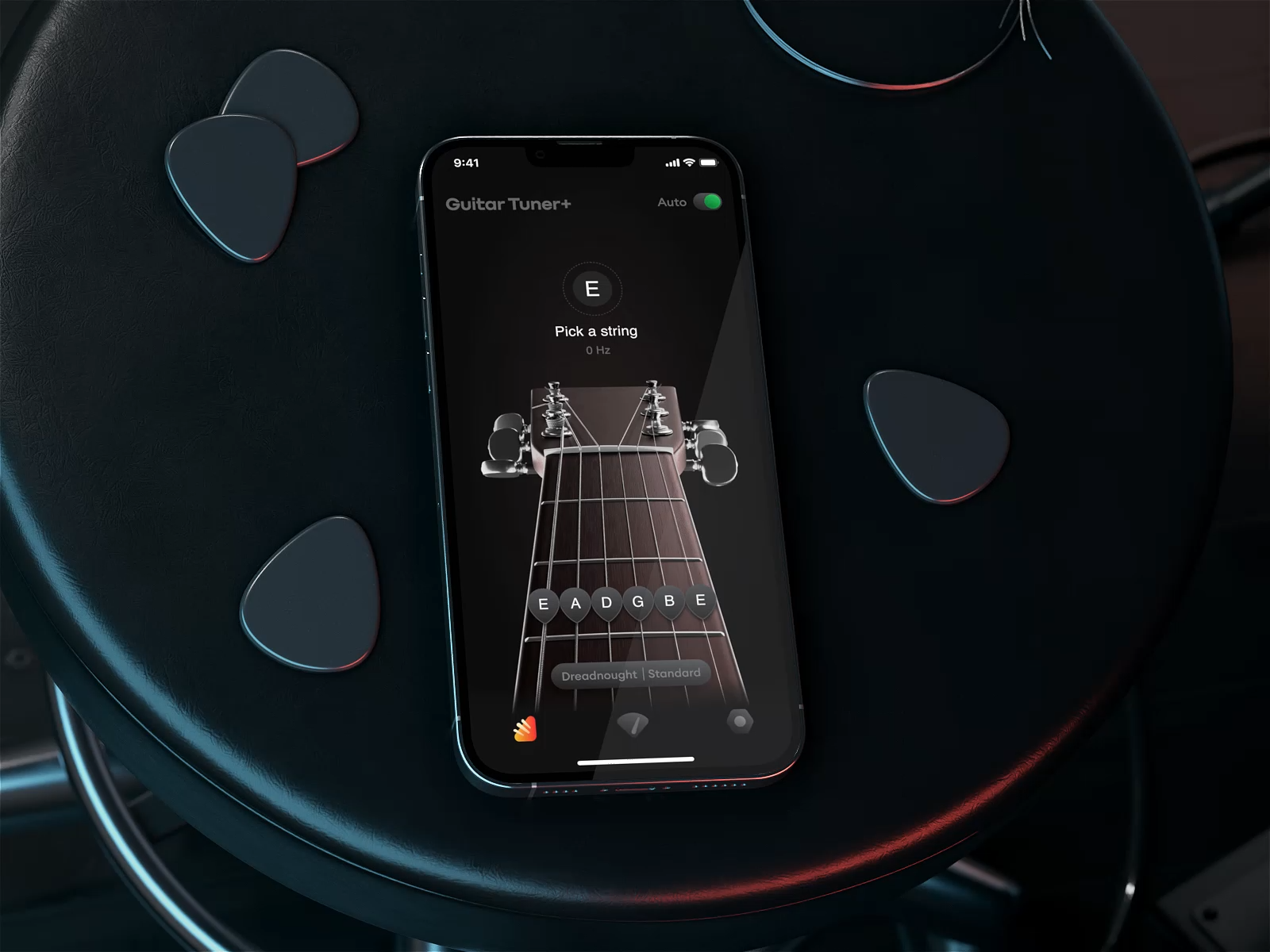
Like many successful designers, Eugene’s creative path hasn’t been linear. Going from classic UI design to 3D and motion, and then back to more product-focused work, each transition felt like a shift, but now he sees them as layers.
“Those disciplines became soft skills rather than separate tracks,” he says. “3D and motion still influence how I think about interfaces, hierarchy, and transitions, even when the final output is static.”
It’s less about tools and more about perception. Every exploration shapes how problems are approached later, often in subtle but meaningful ways.
Building a Brand Through Consistency, Not Noise
On Dribbble, Shakuro doesn’t treat shots as standalone visuals; each post is part of a larger conversation about who the team is and how they think about design.
Consistency matters in quality, tone, and depth, and Shakuro doesn’t chase trends. Instead, they focus on ideas they genuinely care about.
Over time, that restraint has created something more durable than a recognizable style: a recognizable mindset. One rooted in clarity, intention, and shared values across the team.
Why Dribbble Works for Clients
Eugene believes Dribbble stands apart for clients because it shows more than final results.
“It’s not just portfolios,” he says. “It’s how designers think, experiment, and communicate.”
With such a high concentration of experienced professionals in one place, the platform acts as a filter. Clients have the opportunity to quickly gauge whether a designer’s approach aligns with their needs, not just visually, but strategically. Even if they don’t quite know why a team is or isn’t a good fit, Dribbble provides a platform that lets them choose.
Long-Term Work, Long-Term Relationships
Launch dates don’t define some of Eugene’s most meaningful projects. In particular, one client relationship that comes to mind has stretched across more than four years.
“We’ve grown to the point where it doesn’t feel transactional,” he says.
Even when his involvement shifts, the relationship remains built on trust, mutual respect, and a shared understanding of how good work evolves.
Eugene’s Advice for Designers on Dribbble
Eugene’s advice is simple but effective: Quality > quantity.
“One strong, well-considered shot can do more than dozens of rushed ones,” he says.
And just as significantly, presentation matters. Design doesn’t automatically speak for itself. Understanding visibility, timing, and storytelling is all part of the job now; great work still needs context.
Looking Ahead
Dribbble remains a core platform for Shakuro, not just for exposure, but for growth.
Shakuro created a concept design, which they took to investors, and then returned to develop the full platform. The project, now several years in the making, is one of many that has come to the Shakuro team through the opportunities provided by Dribbble, which continues to be an invaluable part of the team’s marketing strategy.
For Shakuro, Dribbble is both a creative environment and a public record of their thoughts throughout the years. And as they continue to evolve, one thing feels sure: they’re still playing the long game.
 About the Author: Olivia Hoskin is a freelance writer with a background in tech and marketing. A true design fan at heart, you’ll find her writing about the latest industry trends, technologies, and the inspiring endeavors of fellow creators. She’s a champion of remote work, a lover of responsible technology, and a fitness geek and enjoyer of the outdoors in her spare time. Find her at oliviahoskin.com.
Find more Interviews stories on our blog Courtside. Have a suggestion? Contact stories@dribbble.com.