Thanks to our friends at The Branded Agency for sponsoring this blog!
You can tell when a website looks good. The typography feels intentional. The colors work. The layout guides your eye exactly where it should go. Design quality announces itself.
Build quality is quieter. It hides in the things you don’t notice until they break: a button that takes three seconds to load on mobile, a layout that falls apart when someone adds a longer headline, a site that becomes unmaintainable six months after launch because no one documented how anything works.
The frustrating truth is that two websites can look identical in a Figma file and feel completely different in the browser. One loads fast, scales gracefully, and lets your team make updates without calling the developer. The other looks fine until it doesn’t.
After building websites across dozens of industries, we’ve developed a sharp eye for what separates sites that last from sites that limp along. As a Webflow certified web design agency, we’ve seen firsthand how much build discipline matters once real users, real content, and real growth enter the picture.
Webflow is our platform of choice because the only limitation is your imagination. But that freedom is a double-edged sword. Without the guardrails of traditional templates, the gap between a well-built site and a messy one gets even wider. You need sharper design thinking and more disciplined builds to make it work.
Most of what determines build quality happens before anyone opens a design tool. Here’s what the best Webflow agencies look for—and what you should too.
The Invisible Architecture
Every website is built on decisions you’ll never see in a screenshot. And those decisions determine whether your site becomes an asset or a headache.
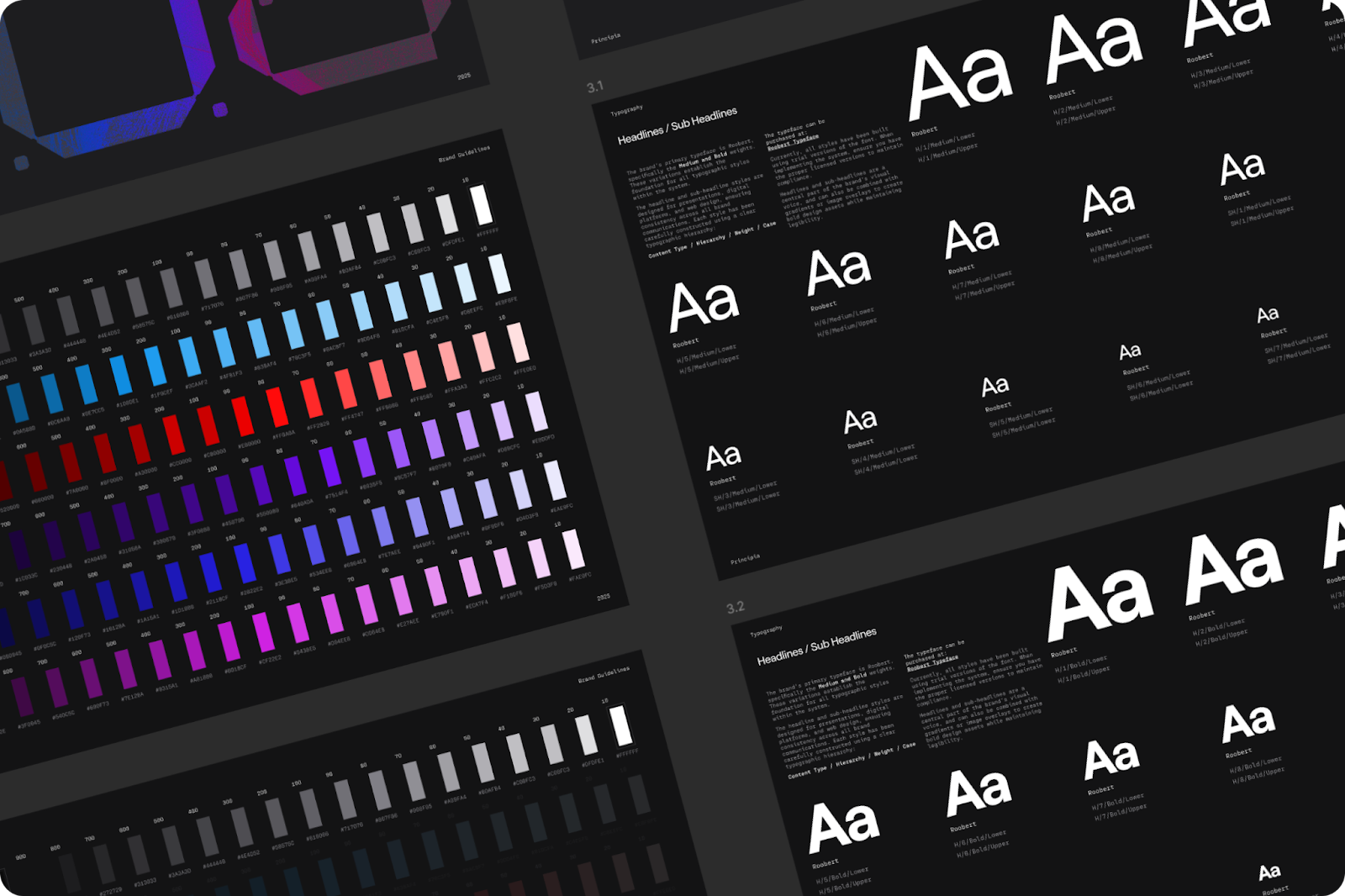
A well-built Webflow site has a component library: a set of reusable building blocks (buttons, cards, headers, forms) that maintain consistency across the entire site. When someone needs to update the primary button color, they change it once, and it updates everywhere. On a poorly built site, that same change means hunting through 47 pages and hoping you didn’t miss one.
We’ve inherited enough “finished” websites to know the pattern. A site launches looking great. Six months later, someone needs to add a landing page. They copy an existing page, tweak it, break three things they didn’t notice. The brand drifts. The codebase bloats. Within a year, everyone’s frustrated and talking about a rebuild.
The same logic applies to typography and spacing. A site built with global styles means your H2s, body copy, and captions follow a system. A site built without them means every text block is styled individually, and your “brand consistency” depends entirely on someone remembering what font size the last designer used. We’ve seen sites with 47 different text styles when they needed 8. That’s not creative freedom. That’s chaos.
Logical class naming.
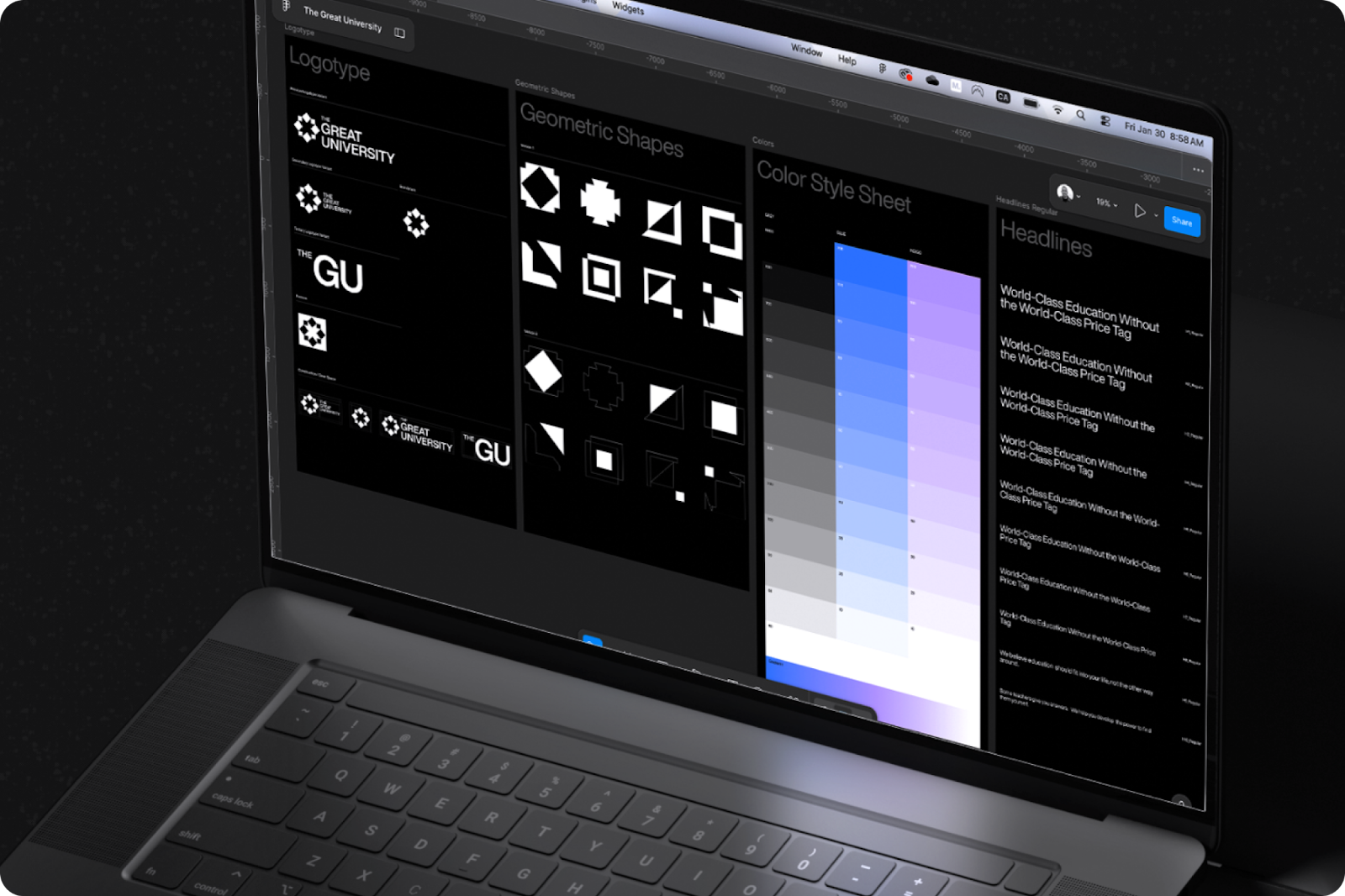
This sounds technical, but it’s often the clearest signal of build quality. If you inspect a well-built site, you’ll see class names that make sense: “hero-heading,” “card-testimonial,” “button-primary.” On a messy build, you’ll see “div-block-47” and “text-block-copy-2.” The first site can be maintained by anyone. The second requires the original builder to explain what they were thinking. We’ve taken over projects where deciphering the class names took longer than rebuilding from scratch.
CMS architecture that scales.
If your site has a blog, case studies, team members, or any repeating content, it should be built on a CMS structure, not manually duplicated pages. A well-architected CMS lets you add a new case study in five minutes. A poorly planned one means recreating layouts from scratch every time. The difference comes down to whether someone thought about your content model upfront or just started building pages.
Performance that doesn’t sacrifice aesthetics.
Heavy animations, uncompressed images, and bloated code make sites feel slow. A skilled builder delivers the visual impact without the performance hit. We’ve cut load times in half on redesigns simply by optimizing what the previous team ignored.
The Questions That Reveal Everything
Most clients focus on portfolio and price when evaluating agencies or freelancers. Those matter, but they don’t tell you how the site will hold up after launch. Here are the questions we’d ask if we were hiring someone else:
“Can you walk me through your component library?”
Anyone who builds well will be excited to show you their system. If they look confused or mention building “custom” for every page, that’s a red flag. Custom isn’t a feature. It’s often a sign that no system exists.
“What does your handoff include?”
You want documentation: a style guide page, a walkthrough video, or at minimum a recorded walkthrough explaining how to make common updates. “I’ll just show you” isn’t a handoff process. It’s a dependency.
“How do you structure the CMS?”
If your site has dynamic content, this question reveals whether they’re thinking about your future or just finishing the project. Listen for words like “collections,” “relationships,” and “scalability.” If they talk only about pages, they’re thinking small.
“What happens when I need to add a new page type in six months?”
The answer should be simple: you use existing components and follow the system. If the answer involves “we’d probably need to scope that separately,” the site isn’t built to scale. It’s built to create more billable work.
Why This Matters More Than You Think
A well-designed, poorly built website creates a specific kind of pain: it looks great at launch and slowly becomes a liability. Updates take longer than they should. The site drifts from brand standards because maintaining consistency is too hard. Eventually, someone suggests a rebuild, and the investment starts over.
We’ve watched companies spend $50K on a site, then spend another $50K rebuilding it two years later because the first version couldn’t evolve with the business.
A well-built site is the opposite. It gets easier to maintain over time. New team members can make updates confidently. Campaigns launch faster because the building blocks already exist. The initial investment compounds instead of depreciating.
Seeing It in Practice
Webflow has become our platform of choice because it lets us design and build in the same environment, eliminating the gap where craft usually gets lost. But the platform is only as good as the methodology behind it.
When we rebuilt our own agency site, we treated it as a test case for everything we preach to clients. Every component is reusable. Every style is global. The CMS powers our case studies, blog posts, and team pages with a logic that means adding content takes minutes, not hours. We can run A/B tests, launch landing pages, and evolve the design without breaking what already works.
The same approach shaped our build for Furiosa, a project where the visual design needed to feel premium and distinctive while remaining operationally practical for a growing team. The component library we developed lets them scale their digital presence without sacrificing the craft that makes the brand special.
That balance, design ambition with build discipline, is what we’ve spent years refining. It’s not complicated once you see it. But most people never look past the surface.
Now you know where to look.
About the Author
The Branded Agency is a Vancouver-based brand and growth agency that builds high-performance websites engineered for visual impact and long-term maintainability. Its Brand-Backed Performance™ approach aligns strategy, creative, and development to ensure ideas carry through from vision to execution.