About this Service
UITOP designs and develops vertical software: industry-specific B2B systems built around the workflows, data, roles, and operational rules of a particular business domain.
We work with founders, product teams, and operational companies building software for industries where standard business applications do not cover the required process in enough depth.
The work starts with the domain model. We identify the people involved, the records they work with, the actions they perform, the states those records move through, the rules that control those changes, and the systems that exchange data with the product.
A logistics platform may need shipments, warehouses, SKUs, locations, inventory states, and carrier data. Construction software may connect equipment, maintenance, inspections, field activity, and fleet status. Government contracting software can include contracts, invoices, payments, reporting, and procurement records.
These domain objects shape both product UX and engineering architecture.
UITOP can work across product discovery, UX/UI design, frontend and backend development, database architecture, APIs, integrations, QA, and continued product development within the agreed scope.
What You Get
Industry and product discovery
Domain workflow analysis
Operational process mapping
User-role and responsibility mapping
Business-object and data-model definition
Business rules and workflow-state mapping
Exception and edge-case definition
Product architecture and information architecture
UX/UI design for critical workflows
Responsive web application design
Frontend development
Backend development
Database implementation
REST API development
Third-party system integrations
Authentication and permission logic where required
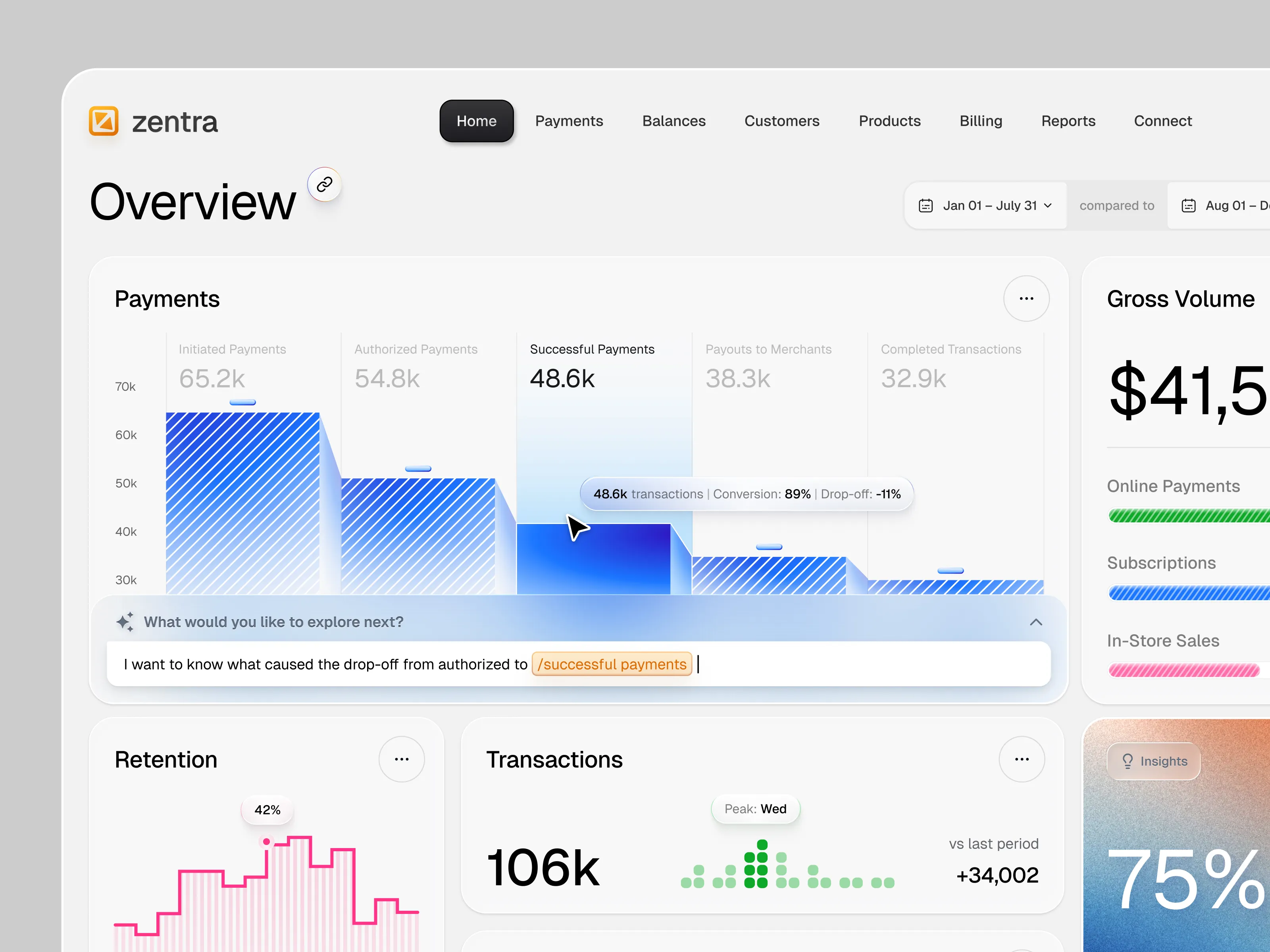
Operational dashboards and workspaces
Data-heavy tables, filters, search, and detail views
Forms, status changes, approvals, and record history
Loading, empty, error, pending, permission, and exception states
Reusable component system
Functional and technical QA
Engineering documentation
Release and continued development support where included in scope
Industry-Specific Software We Work With
Logistics and transportation software
Warehouse and inventory systems
Construction and fleet-management products
Government contracting software
ERP-style operational platforms
Financial and accounting systems
Maintenance and asset-management products
Industry-specific SaaS
Internal operational software
Workflow and process-management systems
Multi-role enterprise applications
Data-heavy business platforms
The exact scope depends on the industry, product model, operational workflow, and available project evidence.
What Vertical Software Needs to Define
Domain Model
Which industry-specific objects does the system manage? These may be shipments, warehouses, aircraft, equipment, contracts, work orders, invoices, assets, locations, inventory units, or another set of business records. The product architecture needs to reflect the relationships between those records.
Operational Workflow
What happens to each record during the real business process? We map actions, handoffs, status changes, dependencies, approvals, and other workflow stages included in the product.
Business Rules
Industry software often contains rules that affect what users can do and what the system should do next. Those rules need defined behavior across product UX, backend logic, and data updates.
Roles & Permissions
Operational products may serve managers, operators, specialists, administrators, field teams, customers, or external partners. We define the actions and information available to the roles included in scope.
Exceptions
A useful operational system also needs to define what happens when the expected workflow changes. This may include missing data, failed integrations, delayed records, conflicting states, unavailable inventory, rejected approvals, or another domain-specific exception.
Data & Integrations
Industry products often connect several sources of operational information. We define which systems exchange data, what records move between them, when data updates, and which product states users need to see when an integration is delayed or fails.
Performance & Scale
Products working with large tables, maps, inventory records, fleet data, frequent status changes, or complex filters may need dedicated performance work across frontend, backend, APIs, and database queries.
Who This Is For
This service is a good fit for:
Founders building software for a specific industry
Companies turning internal operational knowledge into a software product
CTOs building custom systems around specialized business processes
Product teams working in logistics, construction, finance, GovCon, or other operational domains
Businesses whose workflow depends on industry-specific records and rules
Teams replacing several disconnected operational tools with one custom application
Existing software products adding deeper domain workflows
Companies adding integrations between industry systems
Teams that need product design and software engineering in the same engagement
How We Work
1. Industry & Product ContextWe review the business domain, users, operational process, current systems, product requirements, technical environment, and available industry documentation.
2. Domain & Workflow MappingWe define business objects, users, roles, actions, state transitions, exceptions, rules, dependencies, and integration points.
3. Product & Data ArchitectureThe team maps information architecture, record relationships, frontend requirements, backend responsibilities, database structure, and API contracts.
4. UX/UI DesignWe design the critical operational workflows, dashboards, tables, forms, record views, states, and reusable interface patterns.
5. Frontend & Backend DevelopmentUITOP implements the approved scope across interface behavior, application logic, APIs, databases, and required integrations.
6. QA & Operational TestingWe test critical workflows, roles, permissions, data changes, exception states, integrations, and performance requirements included in scope.
7. Release & Continued DevelopmentWe prepare the agreed scope for release and can continue working on additional workflows, modules, integrations, or engineering changes.
What You Can Expect
Domain Logic Before Feature Volume: We define the records, rules, relationships, and workflows that make the industry process work before expanding the product into secondary modules.
Product and Engineering Context: The same domain model guides interface structure, backend logic, data relationships, APIs, and testing.
Real Operational States: The design and implementation account for the normal workflow and the exception states included in the agreed product scope.
Industry-Specific Data Structure: Business records are modeled around the entities and relationships required by the product domain.
Integration Context: External systems and data exchanges are treated as part of the product workflow when they affect user actions or record states.
Reusable Product Patterns: Components, workflow states, data patterns, and technical structures create a consistent basis for related product areas.
Direct Collaboration: Product designers, developers, PM, and QA work around the same domain requirements and delivery scope.
Technology
Technology depends on the product requirements and existing environment. UITOP development work includes:
React
TypeScript
Vite
Tailwind CSS
Material UI
Zustand
Node.js
Express
PostgreSQL
MySQL
Prisma ORM
REST APIs
Google Maps API
CI/CD workflows
Automated testing and QA
For existing industry software, UITOP can work with the established technical environment where it fits the project scope.
Experience With Vertical Software
UITOP designed and developed LogiCore, an industry-specific logistics and warehouse platform connecting shipment tracking, warehouse structures, SKU management, multi-location inventory, and operational data.
The engineering scope included React and TypeScript on the frontend, Node.js and Express on the backend, PostgreSQL, Prisma ORM, REST APIs, server-side pagination, row virtualization, lazy-loaded warehouse data, and database-side aggregation.
UITOP also works as the product and engineering team for Activate OS, construction fleet-management software used for equipment, maintenance, inspections, fleet data, and field operations.
The development work includes modular React architecture, reusable mapping components, processing for large fleet datasets, Google Maps integrations, API middleware, automated testing, and continued releases inside the existing platform.
Valocore gives UITOP another industry-specific development proof point in government contracting. UITOP designed and developed software around contract-related financial workflows including invoicing, payments, accounts payable, reporting, and related operational records.
Together, these projects provide development evidence across logistics, construction operations, and government contracting software.
The listed price represents a focused vertical software engagement covering an agreed set of industry workflows across product design and software development.
Final scope depends on:
number of operational workflows;
domain and data-model complexity;
user roles and permissions;
business rules and exception states;
frontend and backend requirements;
third-party integrations;
data migration requirements;
existing codebase;
performance requirements;
QA and release scope.
Large multi-module systems can be planned as sequential product and engineering phases.
Building software around an industry-specific workflow?
Share the business process, current systems, and product requirements, and we can define the design and development scope around the domain logic, users, data, and integrations involved.