



About this Service
Operations software has a problem consumer apps don't: the same component has to work in a quiet office and in a moving vehicle.
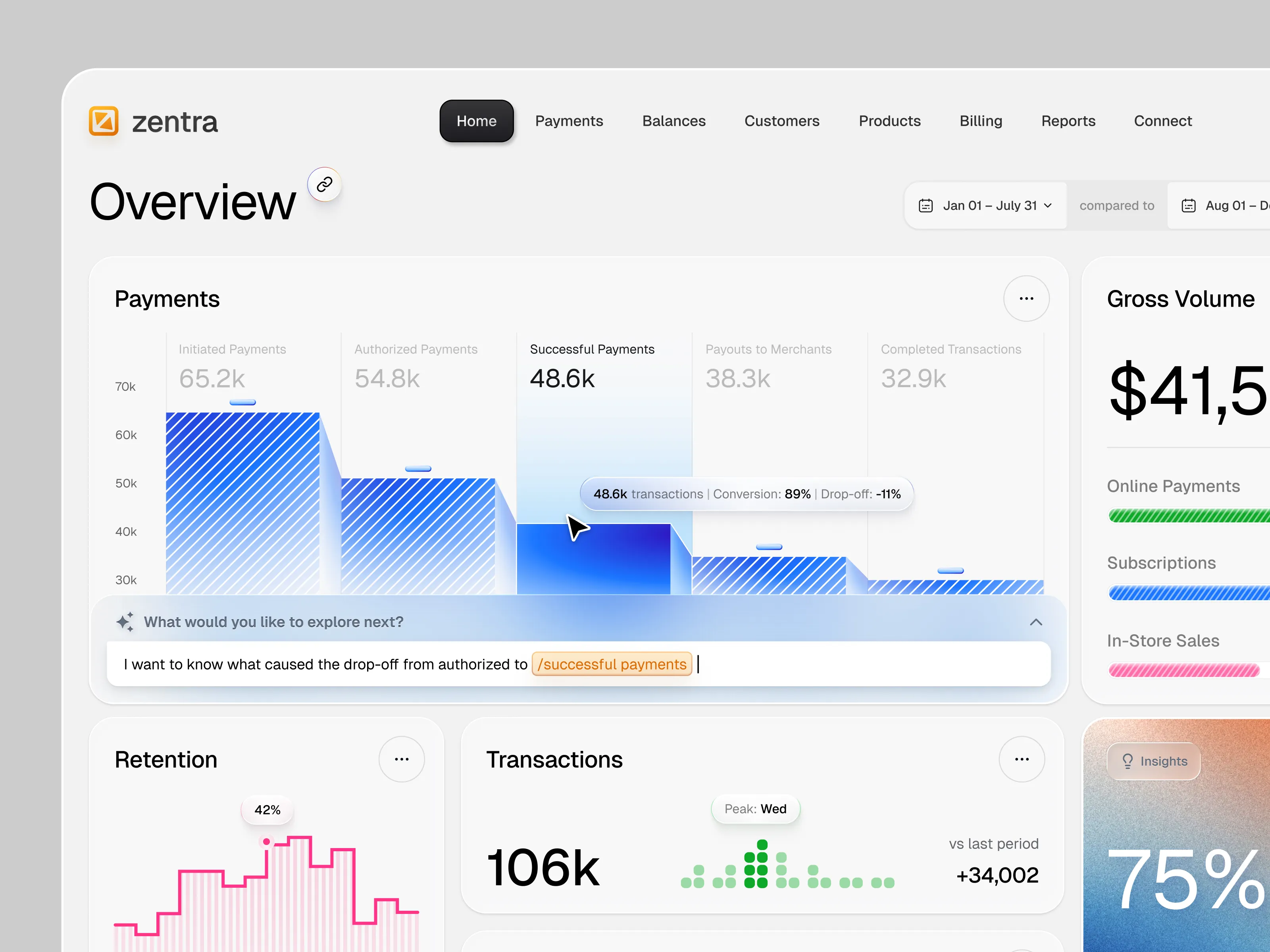
A dispatcher's screen is dense by necessity — forty vehicles, twelve statuses, everything visible at once. A driver's screen is the opposite: one decision, large targets, readable with the sun on it and a glove on the hand. Most teams solve this by building two libraries. Two libraries drift. Within a year the same status means something different on each side, and support is explaining that the driver sees "assigned" while dispatch sees "en route".
Then the third surface appears — the admin panel — and gets whatever was left over. That isn't untidiness. It's why every new feature takes longer than the last one, and why nobody can add a screen without opening three files to check how the last person did it.
In three weeks you get one system all three surfaces are built from: tokens, components, states, and the rules for which density applies where — delivered in Figma and specified so developers can build against it.
What you get:
— Audit of what exists across driver, dispatch and admin, with duplications and conflicts listed
— Design tokens: colour, typography, spacing, elevation, radius, with light and dark themes
— Core components: buttons, forms, inputs, selects, navigation, modals, toasts, empty and error states
— Operations-specific components: data tables with sorting, filtering and bulk actions, status and severity badges, map and marker patterns, timeline and route views, alert and exception banners, permission-aware layouts, document and expiry states
— Density rules: how one component behaves on a control-room screen and in a driver's hand
— A shared status vocabulary so office and road see the same thing named the same way
— Outdoor and glove-use rules: contrast, target size, motion
— Usage documentation, naming conventions and contribution rules
— Figma library with variants, auto-layout and variables, plus a developer handoff spec
Typical engagements: fleet management design system, logistics and TMS component library, driver app and dispatch console consistency, telematics interface system, B2B SaaS and admin panel libraries, enterprise software design tokens, Figma library rebuild, design-to- code handoff, legacy operations software modernisation.
Work runs as part of U1CORE — design and engineering in one team, so the system is specified against what actually gets built, not against an ideal.