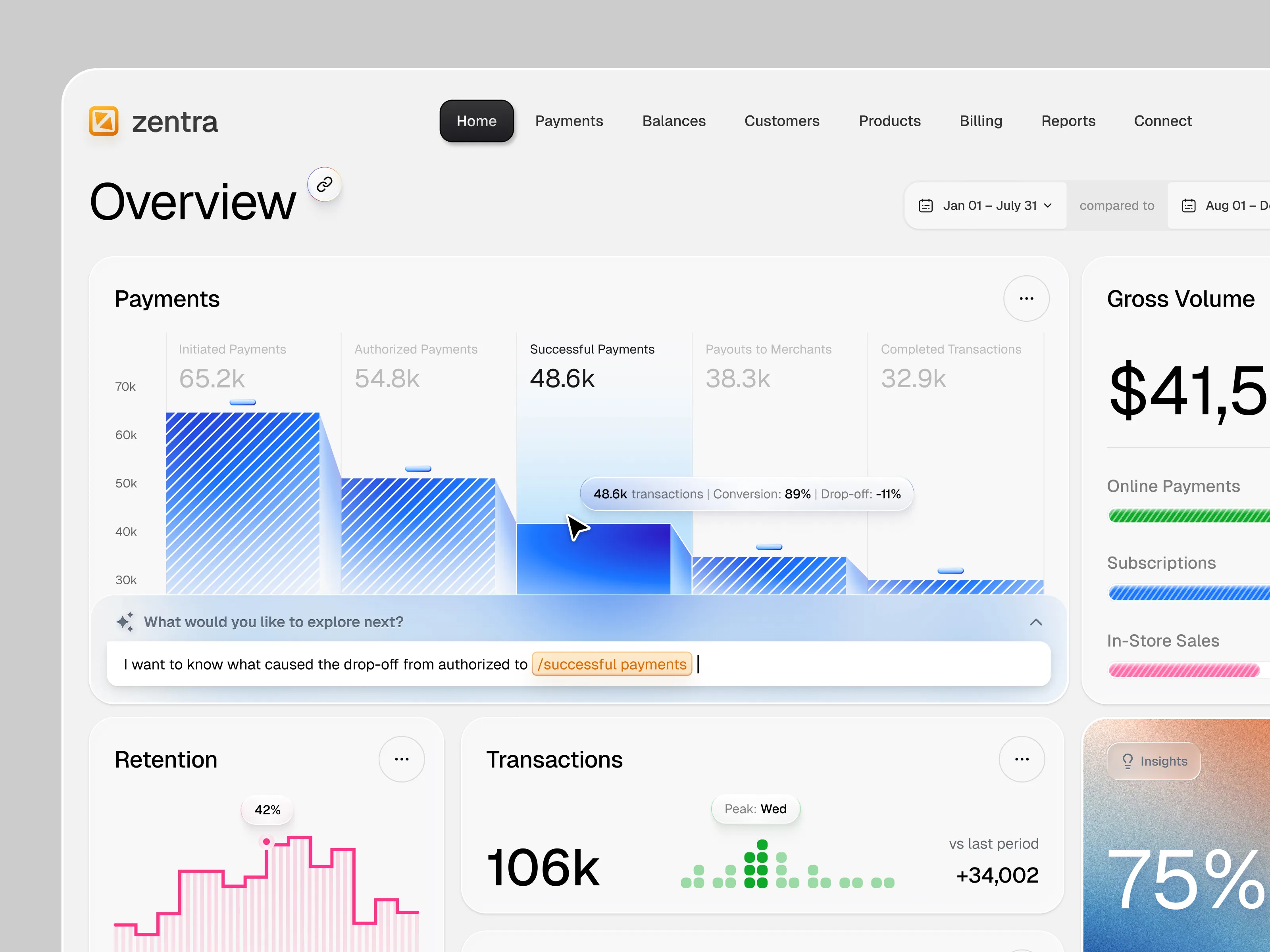
About this Service
Turning an idea into code too early can make an MVP expensive to change.
Before development starts, founders still need to answer basic product questions: What is the core workflow? Which features belong in V1? Can users understand the product? And can an investor or stakeholder see how the idea works beyond a slide deck?
UITOP designs startup MVPs, SaaS products, web apps, mobile apps, and interactive product prototypes for Pre-Seed, Seed, and early-stage teams.
We turn early product ideas into a clear UX structure and a realistic prototype that can be used to validate workflows, pitch the product, align a team, and prepare for development.
Depending on what you need to test, that can be a polished interactive Figma prototype or a more functional AI-assisted prototype that behaves closer to a real product.
What You Get
Product discovery and MVP scope definition
Core user flows and product logic
Information architecture for the first product version
Wireframes for critical workflows
High-fidelity UX/UI design for key MVP screens and states
Interactive Figma prototype for demos and usability testing
Functional AI-assisted prototype when realistic interaction testing is useful
Starter design system with reusable components and patterns
Developer-ready Figma files, specifications, and handoff support
What We Prototype
B2B SaaS MVPs
AI products and AI-native workflows
Web application MVPs
Mobile app concepts
Dashboards and analytics products
Marketplace products
Internal tools
Workflow and operations platforms
Fintech and healthcare product concepts
Multi-role applications
Investor demo prototypes
New product concepts before development
Who This Is For
Pre-Seed founders turning an idea into the first product experience
Seed-stage startups preparing a more complete MVP or V1
Founders preparing for investor conversations who need something more tangible than slides
Teams validating a workflow before committing engineering resources
Startups with developers but no internal product designer
Product teams exploring a new feature or product direction before implementation
What you can expect
A concrete product model: Your idea becomes screens, flows, states, and interactions instead of remaining only in documents or slides.
A focused MVP scope: Core workflows are separated from features that can wait until later versions.
Something you can test: Key scenarios can be shown to users, stakeholders, or your internal team before development.
A clearer engineering starting point: Developers receive structured flows, components, and specifications rather than interpreting the product from scratch.
Direct communication: You work directly with the design team and receive regular progress updates.
Tools
Figma for UX/UI design, wireframes, interactive prototypes, component systems, and developer specifications
Claude for research synthesis, product logic, and workflow exploration
Lovable for functional AI-assisted prototypes when realistic interactions need to be tested
Slack, Google Meet, or Zoom for communication
If your team already works in specific product, development, research, or communication tools, we adapt to your existing workflow.
Process and Communication
An MVP does not need every possible feature. The goal is to define and test the smallest coherent version of the product that communicates the idea and supports its core workflow.
1. Product Discovery. We review the idea, target users, product goals, assumptions, and relevant competitors.
2. MVP Scope. We identify the workflows the first version actually needs and separate them from functionality that can wait.
3. User Flows & Information Architecture. We map how users move through the product and how core screens, actions, and information connect.
4. Wireframing. Low-fidelity screens let us test product structure before investing in visual polish.
5. Visual Direction. We define an interface direction that fits the audience and avoids turning the MVP into a generic startup template.
6. UI Design. We create high-fidelity screens for the primary MVP workflows and their important states.
7. Prototyping. Key flows are connected into an interactive Figma prototype or, when needed, a functional AI-assisted prototype.
8. Handoff & Support. Your development team receives organized components, specifications, assets, and support during implementation.
Daily updates. Short check-ins on what's done and what's next, so nothing surprises at the end. Handoff and support. Specs, assets, and components ready for your developers, plus support while they build.
What an MVP Prototype Can Help You Test
Whether users understand the core product workflow
Whether navigation and screen structure make sense
Which functionality belongs in the first release
How different user roles move through the product
Whether important edge states were overlooked
How the product can be presented in an investor or stakeholder demo
Whether engineering and product teams understand the same intended experience
For Investor Demos
A deck can explain the market, business model, and vision.
An interactive prototype can show how the product itself is expected to work.
We can build a focused demo around the workflows that matter most for a conversation with investors, partners, or internal stakeholders, without designing every future feature first.
From Prototype to Development
The prototype can also become a design foundation for implementation.
Developers receive user flows, approved screens, reusable components, interaction states, and specifications that clarify what the first version should do.
If priorities change after testing or investor feedback, the product can be adjusted in design before those changes become expensive engineering work.
Startup Outcomes
Products designed by UITOP include startups that later raised $3.4M and $3.25M in seed funding, as well as two MVP-stage products that were later acquired.
Starting Scope
The listed price represents a typical MVP design engagement.
Final scope depends on the number of workflows, user roles, screens, prototype fidelity, and whether you need a clickable Figma prototype or a more functional product demo.
Have a product idea but not sure what belongs in the MVP? Send us your concept, requirements, or pitch deck. We'll help define a practical first scope and prototype plan.