
About this Service
I partner with early-stage startups navigating product ambiguity through focused 8 to 12 week engagements designed to identify and address specific pain points in existing products.
My lean UX sprints combine formal research methodologies with rapid iteration, helping teams move from uncertainty to clarity by uncovering real user problems and validating solutions before committing significant development resources. Engagements can extend based on findings, ensuring we thoroughly address the challenges we uncover while maintaining momentum and focus.
Deliverables:
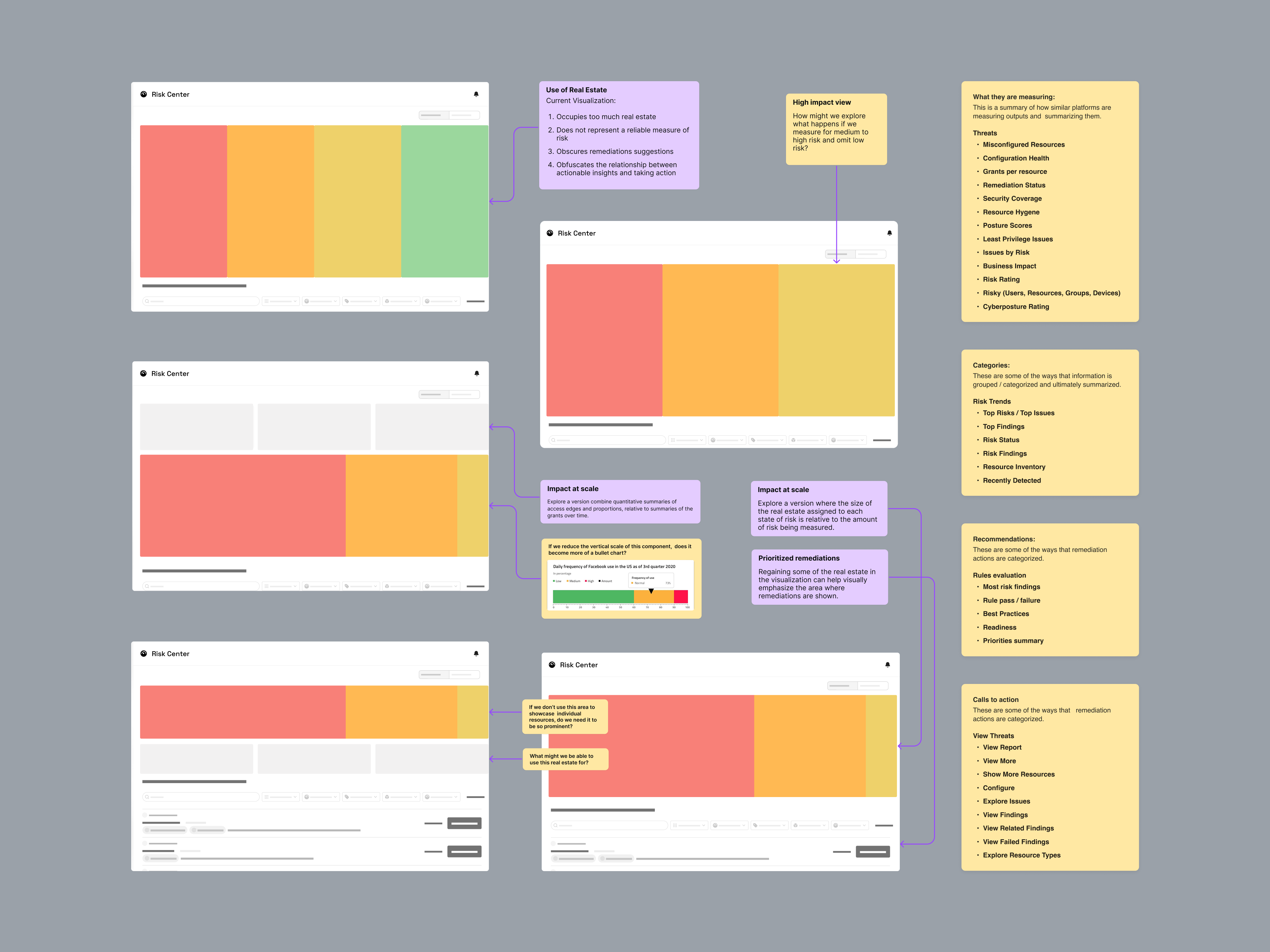
Heuristic Evaluation Reports – Expert analysis of your existing product against established usability principles, identifying friction points, inconsistencies, and opportunities for improvement
Competitive Analysis – Comprehensive documentation comparing competitor products, identifying industry best practices, and spotting market gaps that inform strategic positioning
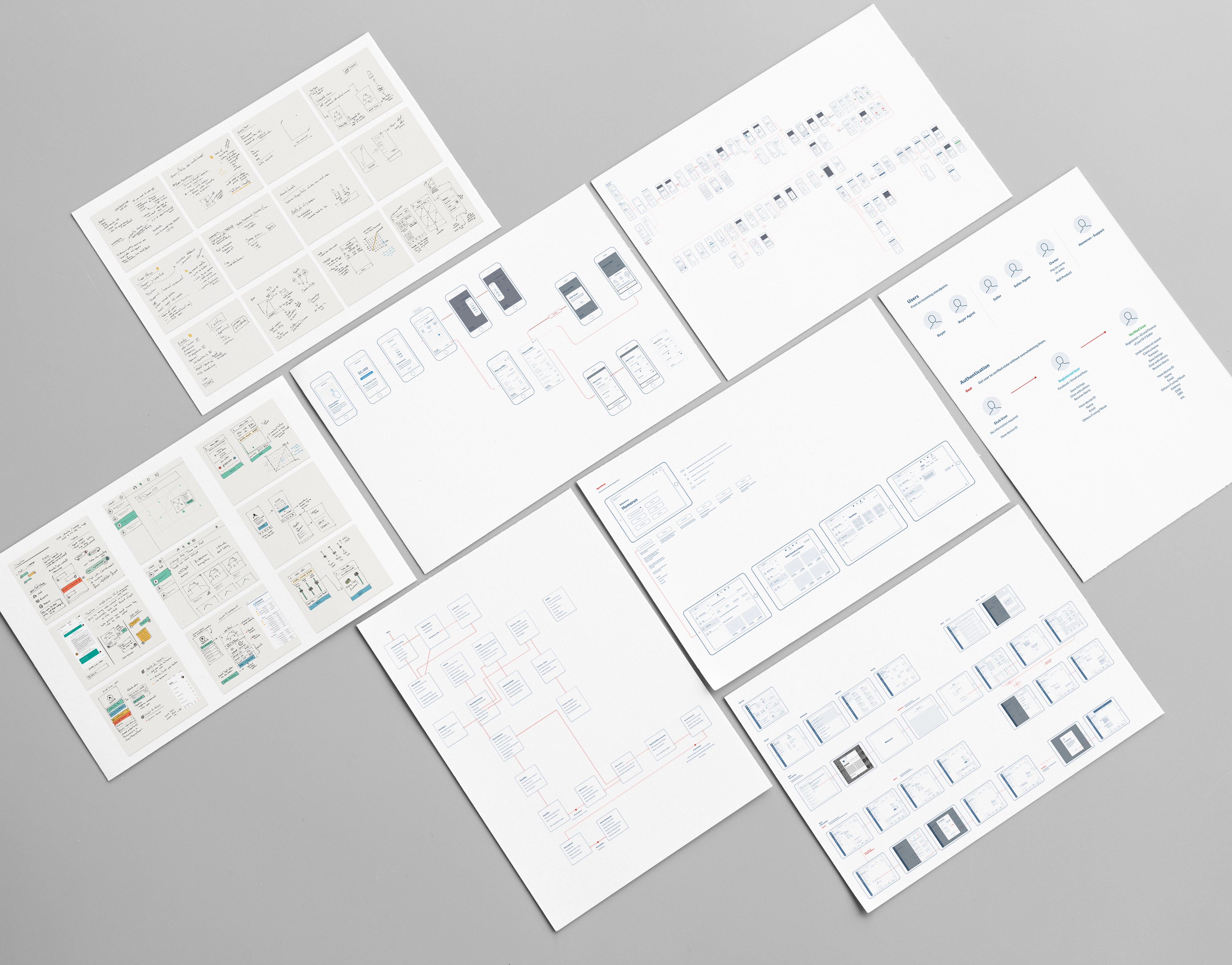
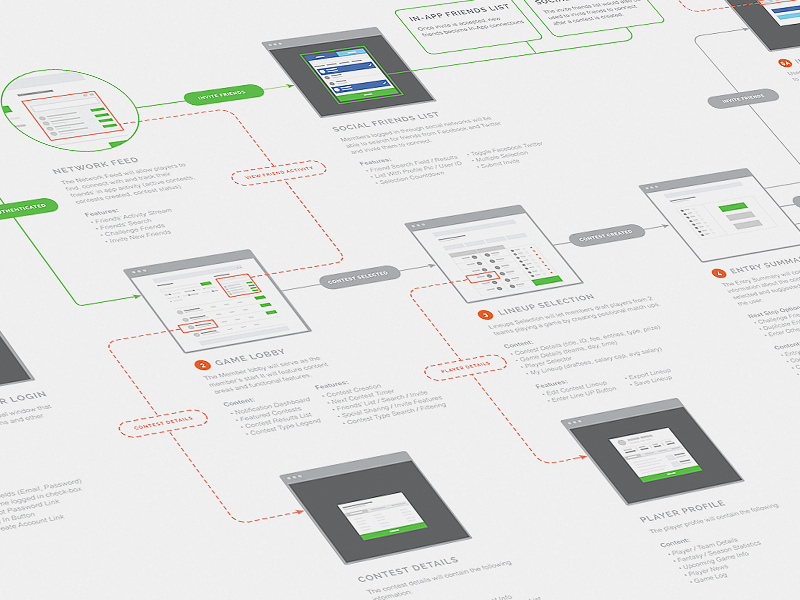
User Flows & Journey Maps – Detailed visualizations of the user's process, experience, and interactions across various touch-points, highlighting pain points and opportunities for intervention
User Stories – Concise narratives describing specific user goals and expected outcomes, structured to guide development priorities in agile backlogs
Problem Statements & Hypotheses – Clear definitions of core problems to be solved, framed as testable hypotheses that can be validated during development and user testing
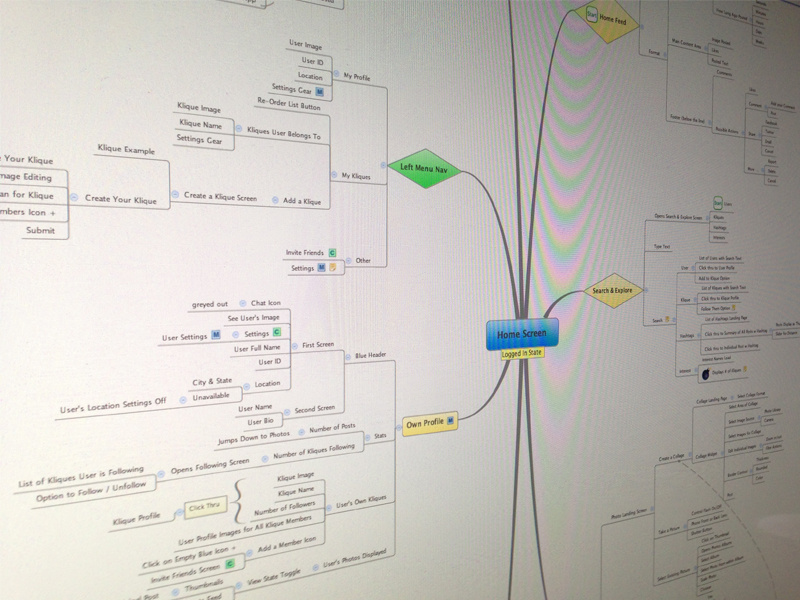
Mind Maps & Brainstorming Outputs – Documentation of collaborative ideation sessions exploring a wide range of potential solutions and strategic directions
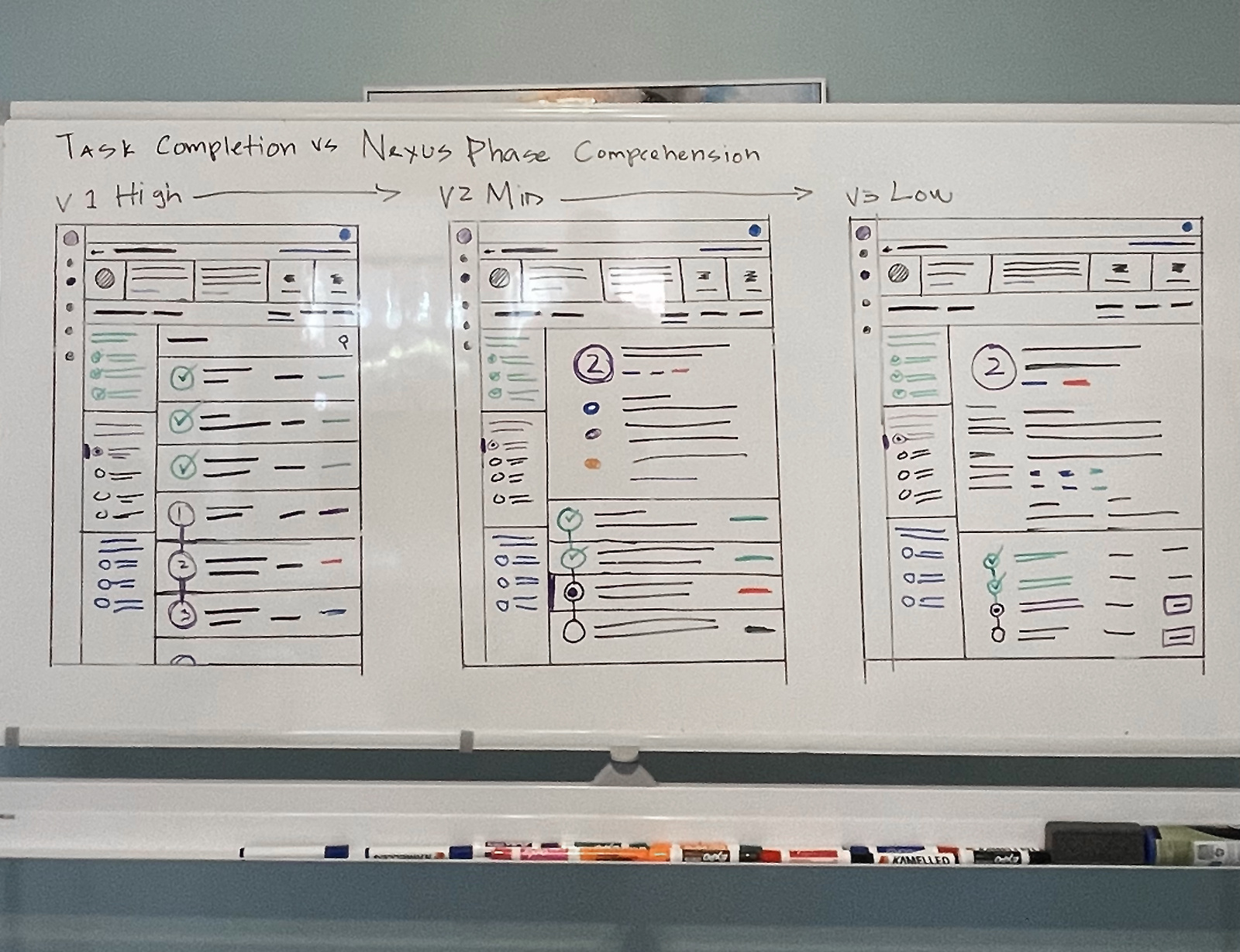
Low-Fidelity Prototypes & Wireframes – Quick visual representations of potential solutions used to test concepts and gather early feedback before significant development investment
Functioning Prototypes – Interactive, early versions of the product that simulate key user flows and features, allowing real users to test core functions and validate design decisions
This approach helps startups operating in ambiguity gain clarity on what users actually need, ensuring product decisions are grounded in evidence rather than assumptions.