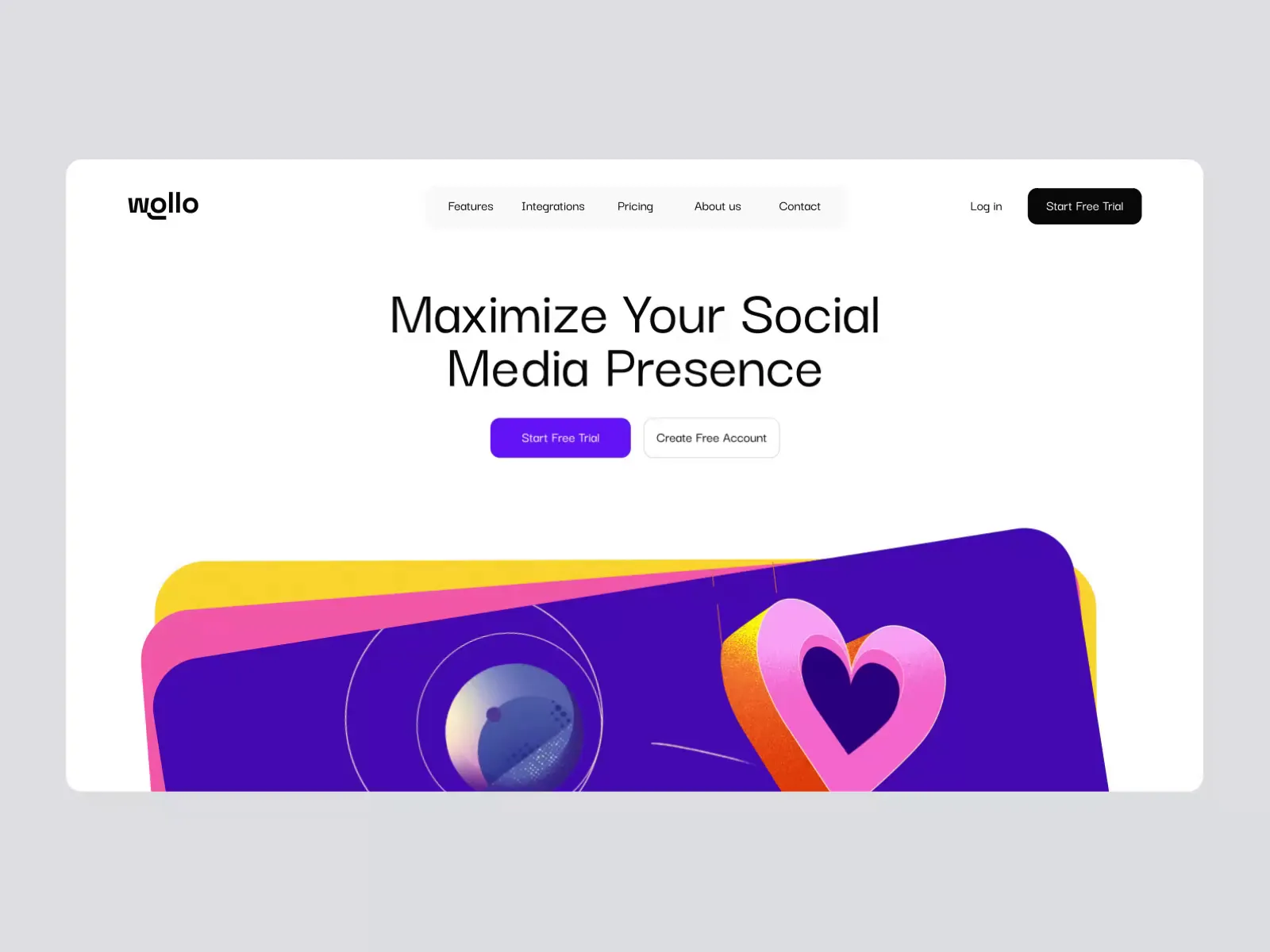
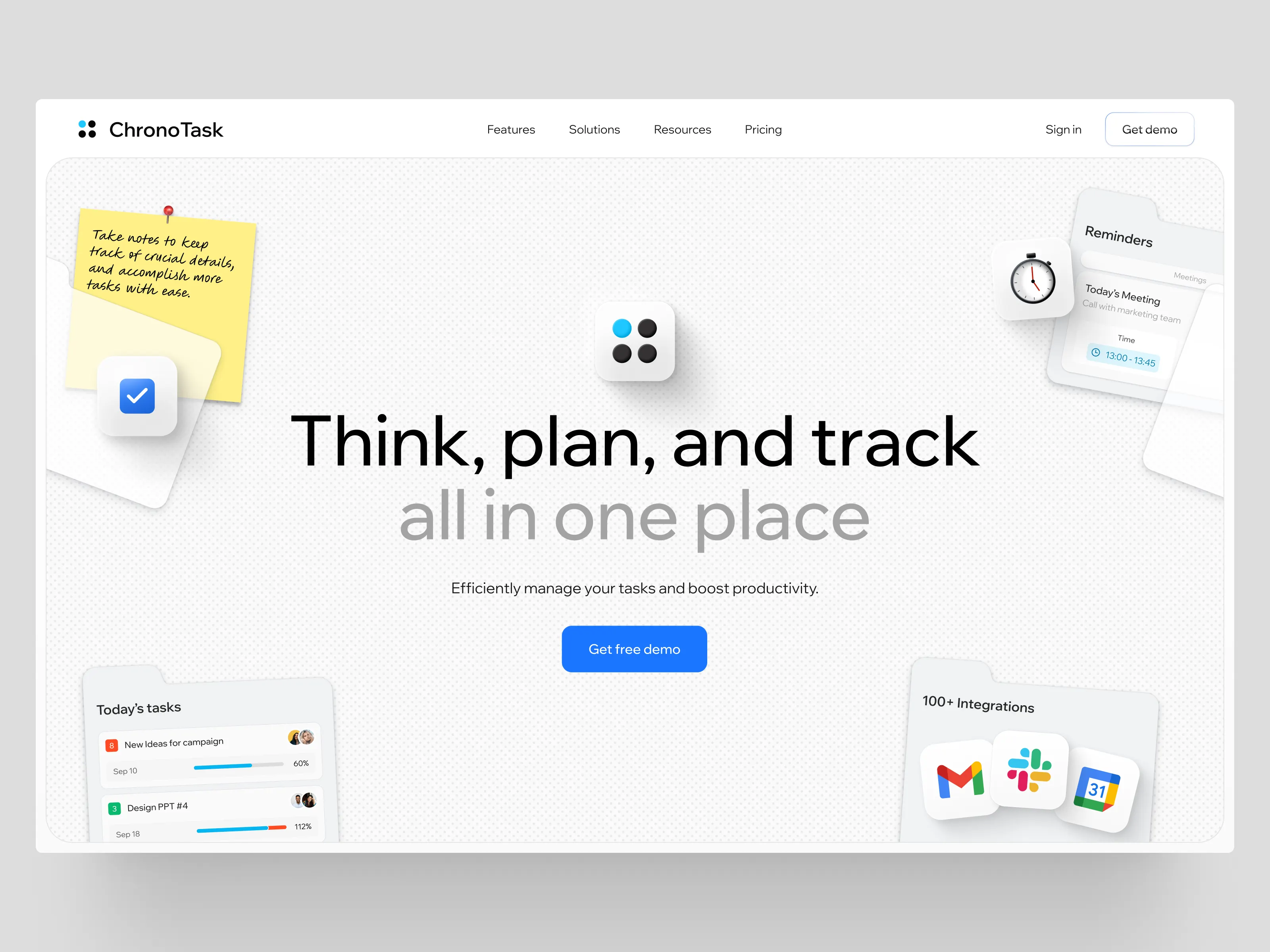
Fintech branding agencies help financial companies turn complex products into clear, trusted brands through strategy, design, and consistent messaging.

Fintech branding agencies help financial companies turn complex products into clear, credible, and differentiated brands — ones that earn trust quickly in a regulated industry where users share sensitive financial data, compare competitors on thin margins, and make high-stakes decisions.
A fintech brand is not just a logo and color palette. It is a positioning system that tells users why to trust you, what makes you different, and what to expect from the product before they ever open an account.
The fintech branding agencies on this list combine strategic positioning, visual identity, messaging, and design systems to help fintech companies — from neobank startups to B2B payment infrastructure providers — build brands that communicate credibility and drive adoption in competitive, technically complex markets.
Table of Contents
Why Fintech Branding Is Different
Building a fintech brand involves challenges that most industries do not face. Success depends on earning trust, communicating clearly within regulatory boundaries, and standing out in an increasingly crowded market. These factors require a different approach than traditional branding projects.
Trust Is the Foundation of Every Fintech Brand
In fintech, trust matters more than almost any other brand attribute. Customers often share sensitive financial information, connect bank accounts, or make decisions about their money.
A strong brand helps reduce uncertainty and build confidence from the first interaction. Elements such as visual identity, messaging, tone of voice, and user experience all play a role in establishing credibility.
Regulatory Requirements Influence Brand Messaging
Financial services companies operate in highly regulated environments. Marketing claims related to returns, security, rates, or financial performance are often subject to strict oversight.
Effective fintech branding agencies understand these limitations and develop messaging that is both compelling and compliant, reducing the risk of costly revisions later in the process.
Fintech Audiences Expect Clarity and Expertise
Modern fintech users are well informed and increasingly skeptical of generic marketing language. Whether targeting consumers or enterprise buyers, fintech brands need clear positioning, specific value propositions, and messaging that demonstrates a genuine understanding of financial products and customer needs.
Different Fintech Sectors Require Different Strategies
Fintech encompasses a wide range of businesses, including payments, neobanking, lending, wealth management, insurance technology, and cryptocurrency. Each sector serves different audiences and competes on different trust factors.
The most effective fintech branding agencies adapt their approach to the specific market, product, and customer expectations rather than applying a one-size-fits-all strategy.
How We Selected Top Fintech Branding Agencies
We evaluated fintech branding agencies based on their industry expertise, strategic capabilities, creative execution, and experience working with financial technology companies.
Our selection criteria included:
- Verifiable fintech client portfolios across payments, neobanking, lending, wealthtech, insurtech, crypto, and B2B financial services
- Strategic branding capabilities, including positioning, messaging, naming, and brand architecture
- Understanding of regulatory and compliance considerations within financial services
- Strong visual identity systems that scale across digital products, websites, and marketing channels
- Client reviews and third-party ratings from Clutch, G2, and DesignRush
Each agency was evaluated against the criteria above to ensure a balanced and relevant selection.
1. Big Human

- Location: New York City, NY
- Team size: 35
- Fintech sub-vertical focus: Crypto & digital assets, B2B fintech, financial platforms
- Services: Brand strategy, naming, visual identity, brand system design, digital product design, web development, growth marketing, UX/UI
- Notable clients: Quinn, Rockefeller Center, Graduate Hotels, Wordibly
- Best for: Trust-driven fintech brand systems
Big Human is a fintech branding agency that builds adaptable, trust-driven brands for financial companies. As one of the experienced fintech branding agencies, it combines strategy, naming, and visual identity to create clear, credible brands. The team focuses on transparency, evolving market needs, and consistent messaging that supports long-term growth across products and platforms.
2. Metabrand Branding Agency

- Location: New York City, NY
- Team size: 10
- Fintech sub-vertical focus: B2B payments, forex trading platforms, fintech startups across payments and lending
- Services: Brand strategy & positioning, visual identity design, naming, brand guidelines, Webflow website design & development, UI direction, design systems guidance
- Notable clients: EveryTrade, Superyou, Amitron, NeuralFin
- Best for: Fintech startup brand launches
Metabrand is a fintech branding agency that helps financial startups turn complex products into clear, trusted brands. Among fintech branding agencies, it stands out for combining positioning, visual identity, and high-converting websites. The team focuses on trust signals, user experience, and scalable design systems that support fast launches and long-term growth.
3. BNO Inc

- Location: San Jose, CA
- Team size: 70
- Fintech sub-vertical focus: Enterprise fintech, financial services (banking, payments, insurance), employer brand within financial services
- Services: Brand strategy, visual identity, messaging, digital marketing, social media, video production, print, PR, employer branding, experiential marketing, content marketing, AI-enhanced market analysis
- Notable clients: vXchnge, Advata, Segra, CenTrak
- Best for: Regulated fintech brand storytelling
BNO helps financial companies communicate complex products with clarity and credibility. Positioned among fintech branding agencies, it blends creative, content, and strategy to deliver regulated messaging and investor-ready storytelling. The team supports global brands with clear positioning, consistent campaigns, and messaging that connects with both users and stakeholders.
4. Fintech Branding Studio

- Location: New Zealand
- Team size: 11-50
- Fintech sub-vertical focus: Crypto & digital assets, forex/trading platforms, B2B fintech payments
- Services: Brand strategy, visual identity, rebranding, fast-sprint rebranding (6-week complete transformation), brand audit & competitive analysis, brand retainer support, brand guidelines
- Notable clients: BlackBull, Pepperstone, Triple-A, Flowdesk
- Best for: Fast fintech rebranding sprints
Fintech Branding Studio is a fintech branding agency that builds trust-driven identities for financial companies. Among fintech branding agencies, it focuses on brand development, rebranding, and fast sprint execution. The team creates clear positioning and scalable design systems that help fintech brands compete, modernize, and grow in fast-moving markets.
5. Excited

- Location: Ukraine
- Team size: 11-50
- Fintech sub-vertical focus: Fintech product UX/UI, digital insurance, SaaS fintech platforms, financial data products
- Services: UX/UI design, product design, branding & visual identity, design systems, web design (Figma/Webflow), mobile app design (iOS/Android), SaaS product design, usability services, market research, mood boards
- Notable clients: Aceplace, Inhuren, AppLinks, ClubReady
- Best for: UX-driven fintech product branding
Excited combines UX design and brand systems to create clear, user-friendly financial products. Among fintech branding agencies, it stands out for its ability to turn complex flows into intuitive experiences. The team builds scalable design systems and consistent brand identities that improve trust, retention, and product performance.
6. CSTMR

- Location: Austin, TX
- Team size: 10-25
- Fintech sub-vertical focus: Lending, banking & credit unions, B2B fintech, payments, insurance, investing
- Services: Brand strategy & positioning, visual identity, messaging, digital marketing strategy, paid media, SEO, content marketing, conversion rate optimization, website design, go-to-market strategy
- Notable clients: ValidMind, American Bankers Association, QuoteWell, Bankuity
- Best for: Fintech growth and brand strategy
CSTMR combines brand strategy with performance marketing to drive growth for financial companies. Among fintech branding agencies, it stands out for aligning positioning, messaging, and campaigns with measurable outcomes. The team builds scalable brand systems and go-to-market strategies that support launches, optimization, and long-term customer acquisition.
7. Tenet

- Location: New York City, NY
- Team size: 11-50
- Fintech sub-vertical focus: B2B fintech, healthcare fintech, payments, financial infrastructure
- Services: Brand strategy, naming, visual identity, messaging & brand voice, UX/UI design, product design, web design, go-to-market strategy, digital transformation, brand architecture
- Notable clients: Iros, Yomly, Strongr, ASDAV
- Best for: Conversion-focused fintech brand systems
Tenet helps financial companies build trust, clear positioning, and scalable brand systems. Positioned among fintech branding agencies, it delivers brand strategy, visual identity, messaging, and UX across all touchpoints. The team focuses on differentiation, compliance-ready communication, and growth-driven branding that supports user adoption and long-term market impact.
8. Ramotion

- Location: San Francisco, CA
- Team size: 11-50
- Fintech sub-vertical focus: Payments infrastructure, crypto & blockchain, B2B fintech, SaaS fintech platforms
- Services:
Brand strategy, naming, visual identity & logo design, design systems, typography & color systems, brand guidelines, marketing website design & development, UI/UX product design, iconography design - Notable clients: Firefox, Salesforce, Clearbit, Netflix
- Best for: Scalable fintech brand identity systems
Ramotion builds strategic brand identities for financial companies at every stage. Among fintech branding agencies, it stands out for combining positioning, naming, and visual systems with user-focused design. The team creates scalable brand frameworks that improve recognition, strengthen trust, and support long-term growth in competitive markets.
9. Born & Bred

- Location: San Francisco, CA
- Team size: 11-50
- Fintech sub-vertical focus: B2B fintech, payments platforms, lending, financial infrastructure, fintech-traditional finance crossover
- Services: Brand strategy & positioning, visual identity & brand system, messaging architecture, content strategy, brand architecture, web and app design, animation, advertising, packaging
- Notable clients: Discord, Conduit, Epic Cleantec, Sequel
- Best for: Clear fintech positioning and messaging
Born & Bred is a fintech branding agency that helps financial companies build trust, simplify complex products, and drive adoption. Among fintech branding agencies, it focuses on clear messaging, strong positioning, and scalable brand systems. The team creates credible, regulation-aware brands that support growth across payments, lending, and financial platforms.
10. mark-making*

- Location: Chattanooga, TN
- Team size: 15
- Fintech sub-vertical focus: Financial services & fintech (UK and international), banking, lending, insurance, wealth management
- Services: Brand strategy, positioning & narrative, visual identity, brand campaigns, integrated marketing communications, digital marketing, employer branding, content marketing
- Notable clients: MoneyInfo, Pepper Money, Sanlam, Gatehouse
- Best for: Strategic fintech brand campaigns
mark-making* is a fintech branding agency that helps financial companies build clear positioning, strong narratives, and long-term brand value. Among fintech branding agencies, it stands out for combining strategy, identity, and campaigns. The team creates distinctive brands and integrated communications that improve visibility, trust, and measurable marketing performance.
How to Choose a Fintech Branding Agency
Choosing a fintech branding agency involves more than evaluating creative work. The right partner should understand financial services, customer trust, regulatory considerations, and the competitive landscape of the fintech sector. When comparing agencies, focus on the following factors.
Relevant Fintech Experience
Look for agencies with a proven track record of working with fintech companies rather than broader financial services brands alone. Experience in areas such as payments, lending, wealthtech, insurtech, crypto, or neobanking can provide valuable insight into your market and audience.
Strategic Branding Capabilities
Strong fintech brands are built on clear positioning and messaging, not visual identity alone. Evaluate how the agency approaches brand strategy, competitive analysis, audience research, and differentiation before moving into design and creative development.
Understanding of Compliance Considerations
Financial services marketing often operates within regulatory constraints. Agencies with fintech experience should understand how to develop messaging that supports business goals while remaining aligned with industry requirements and review processes.
Scalable Brand Systems
A fintech brand needs to work consistently across websites, product interfaces, mobile apps, sales materials, investor presentations, and marketing campaigns. Look for agencies that create flexible brand systems rather than standalone visual identities.
Alignment With Your Growth Stage
The best agency for an early-stage startup may not be the best fit for a mature fintech company. Consider whether the agency’s team structure, expertise, budget range, and engagement model align with your organization’s current needs and future growth plans.
Questions to Ask Fintech Branding Agencies on the First Call
Use these to identify agencies with genuine fintech brand capability:
- Can you walk me through a fintech brand project — how you approached positioning and what the competitive challenge was?
- Have you worked on brands in our specific sub-vertical? What is different about branding in that context versus other fintech categories?
- How do you handle regulatory and compliance review in your messaging process?
- Can you give me an example of a claim or piece of copy that had to be changed for compliance, and how you solved it?
- Show me an example of your brand system in use across multiple touchpoints: website, product UI, marketing materials. How does the system hold up across contexts?
- What is your process for developing positioning?
- How do you ensure the positioning is genuinely differentiated rather than generic fintech language?
- Who on your team will actually work on our project, and how much senior involvement should we expect week to week?
- Have you worked with fintech companies at our stage? What are the brand challenges specific to that stage?
- What does a brand system deliverable look like from you? What we receive, in what format, and what we can do with it independently after the engagement ends?
Red Flags to Avoid When Hiring Fintech Branding Agencies
The fintech branding market has more generalists claiming fintech expertise than specialists with real depth. Watch for these warning signs:
- They lead with aesthetics rather than strategy. If the first conversation is about visual inspiration, color palettes, and design trends rather than your competitive position, target audience, and regulatory context, the agency is optimizing for a design portfolio rather than brand outcomes.
- Their fintech portfolio is thin or dated. One crypto project from 2020 and a challenger bank rebrand from 2022 are not fintech branding depth. Ask for recent work and verify it is live in the market.
- They cannot explain your competitive landscape. If an agency cannot articulate what makes a neobank brand different from a payments brand, or why a B2B fintech needs different trust signals than a consumer product, they are approaching your project as a generic branding exercise.
- They dismiss compliance as a post-approval issue. Any agency that treats legal review as a filter at the end of the process, rather than as a constraint built into the messaging architecture, will cost you revision cycles and launch delays.
- The brand guidelines are a PDF, not a system. A brand book with logos, colors, and typography is a starting point. A usable brand system includes component libraries, voice-and-tone guidance, compliance-aware messaging frameworks, and sufficient specificity for independent application. Ask what the deliverable actually looks like before signing.
- They over-index on disruption language. Disrupting finance. Making money work for everyone. The future of [x]. These phrases do not differentiate fintech brands; they are the white noise of the category. An agency with genuine fintech depth knows this and avoids it.
- No evidence of long-term client relationships. Branding engagements that end at delivery and produce no follow-on work are a signal that the brand system did not hold up in practice. Ask about ongoing client relationships and what that work looks like.
Final Thoughts on Fintech Branding Agencies
Strong fintech branding agencies combine strategic positioning, regulatory awareness, and trust-driven design to build brands that are clear, credible, and ready to scale in competitive financial markets.
Explore leading fintech branding agencies in our directory. Contact providers directly or submit a Project Brief, and we’ll InstantMatch you with agencies aligned with your fintech product, audience, and growth objectives.
FAQs
How much does fintech branding cost?
Fintech branding projects typically cost between $15,000 and $150,000+, depending on the agency location, project scope, and level of strategy involved. A focused brand identity project covering logo, color system, typography, iconography, and basic guidelines often ranges from $15,000 to $40,000.
Full brand strategy, identity, messaging, and website design usually cost $28,000 to $72,000 with strategy-led offshore agencies, while comparable US and UK agencies may charge $60,000 to $150,000 or more.
How long does a fintech branding project take?
Most fintech branding projects take between 4 and 16 weeks. Smaller engagements focused on positioning and visual identity can be completed within a couple of months, while larger rebrands involving research, messaging, website design, and implementation generally require more time.
Should I hire a fintech-specialist agency or a general branding agency?
Both can deliver strong results, but fintech-specialist agencies bring a deeper understanding of financial products, customer trust factors, and regulatory considerations. For companies operating in competitive or highly regulated markets, that experience can shorten timelines and reduce risk.
What is the difference between a brand identity and a brand system?
A brand identity includes core elements such as a logo, color palette, typography, and visual style. A brand system expands on those assets with guidelines, messaging frameworks, design components, and rules that help teams apply the brand consistently across products, websites, marketing campaigns, and other touchpoints.
How important is naming in fintech branding?
Naming is a critical part of fintech branding because it affects recognition, trust, trademark availability, and market expansion. The strongest fintech names are memorable, easy to understand, and flexible enough to support future growth across products and regions.
What should fintech brand guidelines include?
Comprehensive fintech brand guidelines should cover visual identity standards, messaging and tone of voice, digital applications, marketing assets, and brand governance. Strong guidelines help maintain consistency across customer-facing channels while supporting both marketing and product teams.